Racism and Associated Health Impacts
ProgramsCulture of Health
PublishedJuly 7, 2020
SHARE
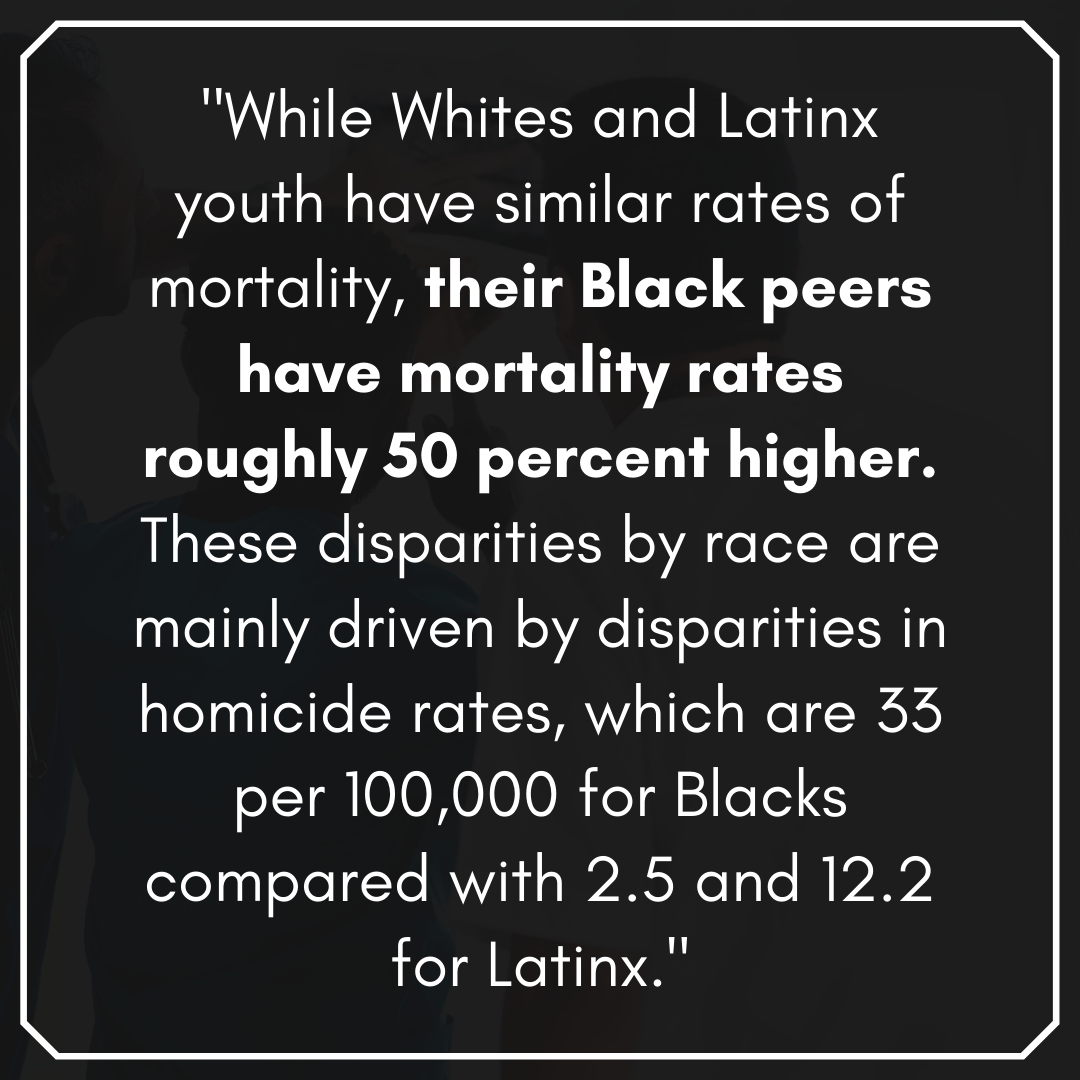
Research and data clearly show that structural racism and the experience of day-to-day racism result in significant and compounding negative health impacts for people of color.
The National Academy of Medicine is highlighting statements from various NAM, Institute of Medicine (IOM), and National Academies of Sciences, Engineering, and Medicine reports that support the conclusion that institutional bias and structural racism have affected the health of BIPOC (Black, Indigenous, and People of Color) in the United States.
Scroll through the statements below, or click to expand and see the reports the statements are from.
Related Products

Mar 5, 2026Community Impact
Healthy Providers, Healthy Patients: Partnering to Improve Outcomes
Health Worker Well-BeingPatient and Consumer Issues
Feb 18, 2026Analysis
Addressing Major Sources of Carbon Emissions for Disposable Blood Pressure Cuffs
Climate Change and Sustainability
Feb 18, 2026Analysis
Addressing Major Sources of Carbon Emissions for CT Scanners
Climate Change and Sustainability
Feb 18, 2026Analysis
Addressing Major Sources of Carbon Emissions for Labor and Delivery Custom Packs
Climate Change and Sustainability
Feb 18, 2026Analysis
Addressing Major Sources of Carbon Emissions for N95 Filtering Facepiece Respirators
Climate Change and Sustainability
Feb 18, 2026Analysis
Addressing Major Sources of Carbon Emissions for Nitrile Gloves
Climate Change and Sustainability
Feb 18, 2026Analysis
Addressing Major Sources of Carbon Emissions for Surgical Gowns
Climate Change and Sustainability
Feb 18, 2026Analysis
Carbon Hotspot Briefs: Addressing Major Sources of Carbon Emissions for Health Care Products
Climate Change and Sustainability