Embedding Well-Being as a Lasting Value: Inaugural Accelerator Action Plans
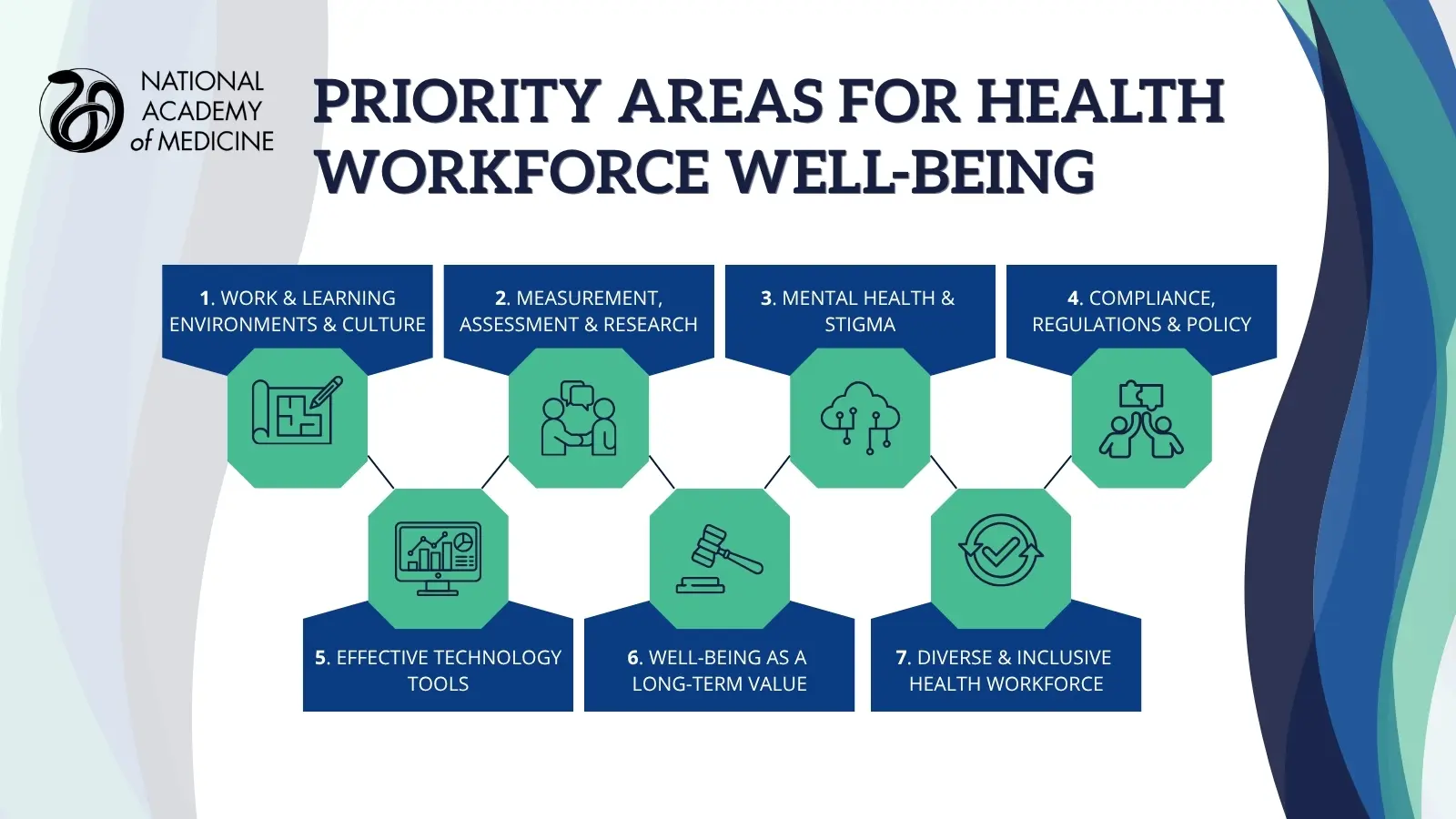 As part of the growing movement for health workforce well-being, more than 20 inaugural Change Maker Accelerators committed to tracking implementation of the National Plan for Health Workforce Well-Being at their institutions. From 2023-2025, the NAM worked with this cohort to support progress across the Plan’s priority areas and build a community of practice.
The examples below offer a snapshot of efforts to advance the National Plan. In the first section, explore the visual collection for a closer look at what organizations chose to showcase from their well-being activities. In the next section, expand the priorities to see how inaugural Accelerators are making progress in each area in ways that reflect their local settings and needs.
Dive Deeper
Inaugural Accelerator Posters
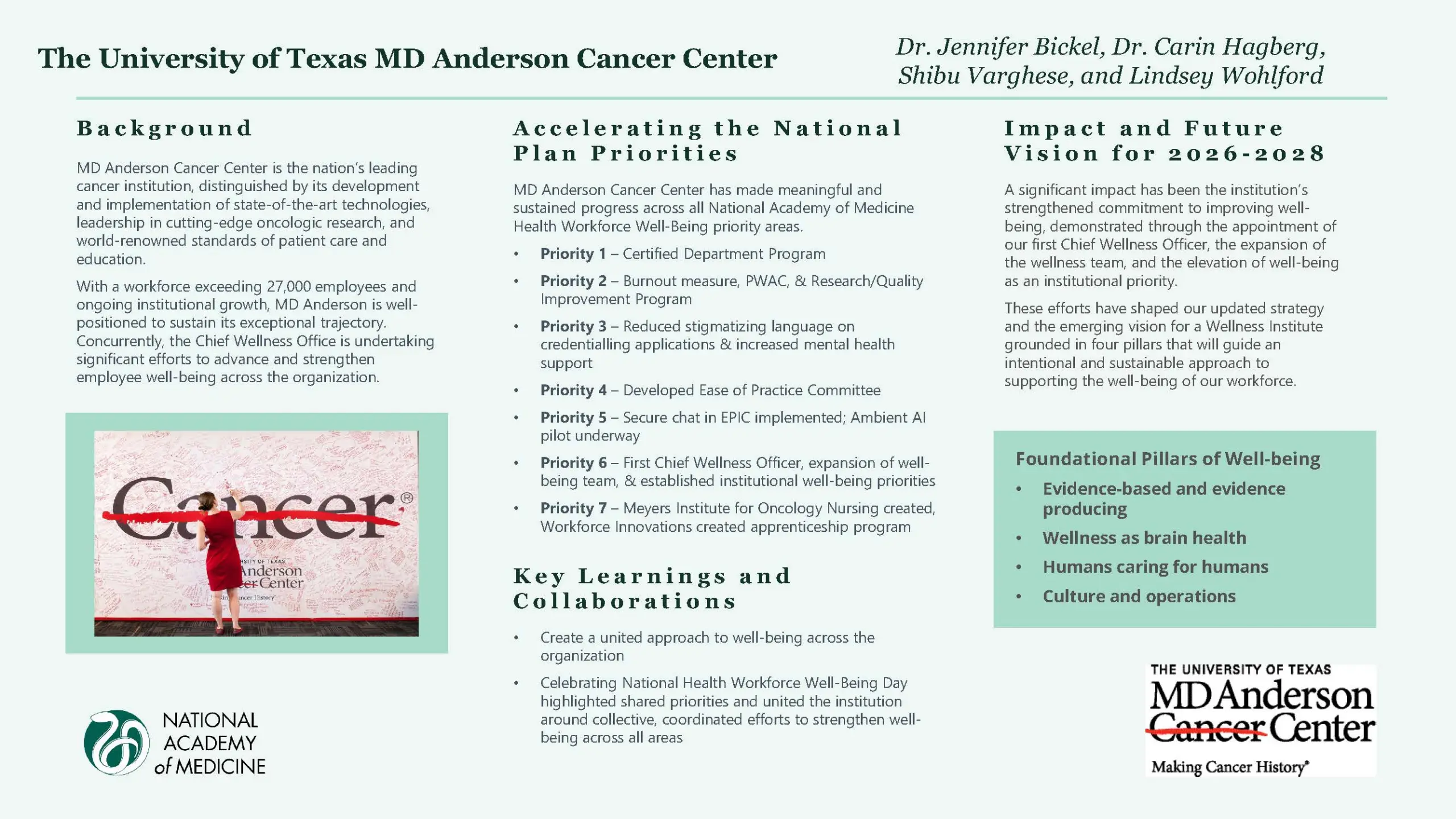
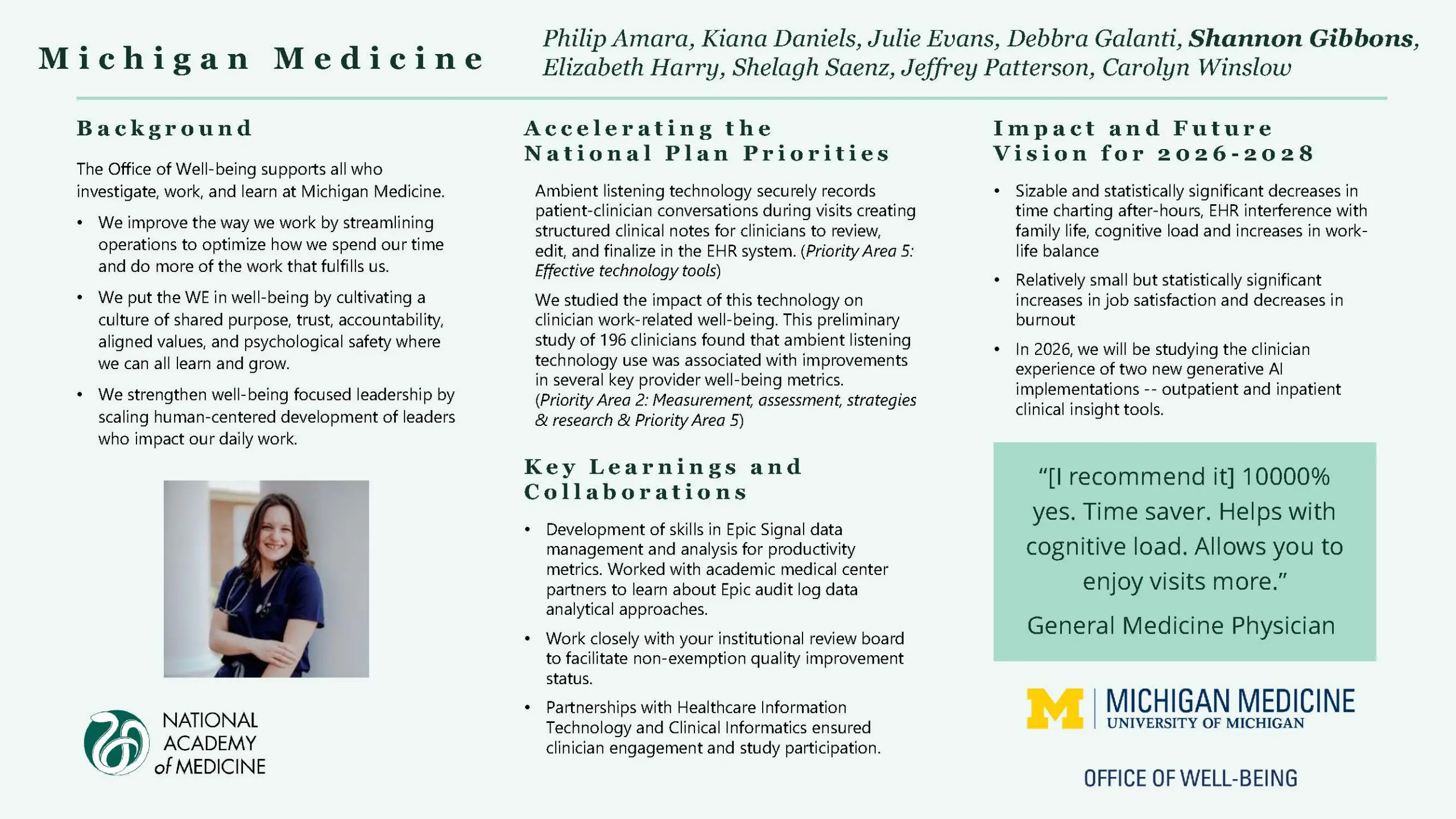
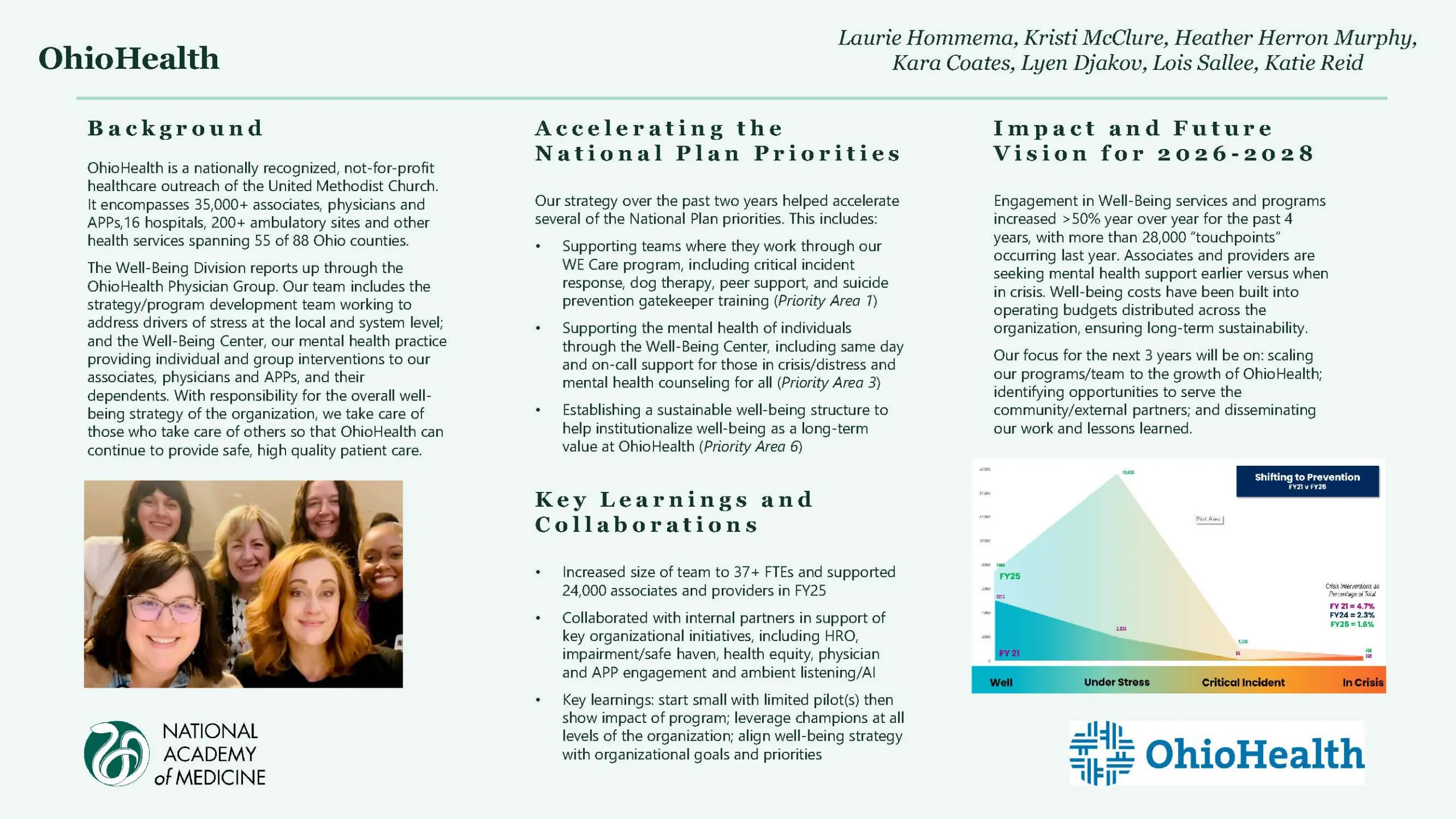
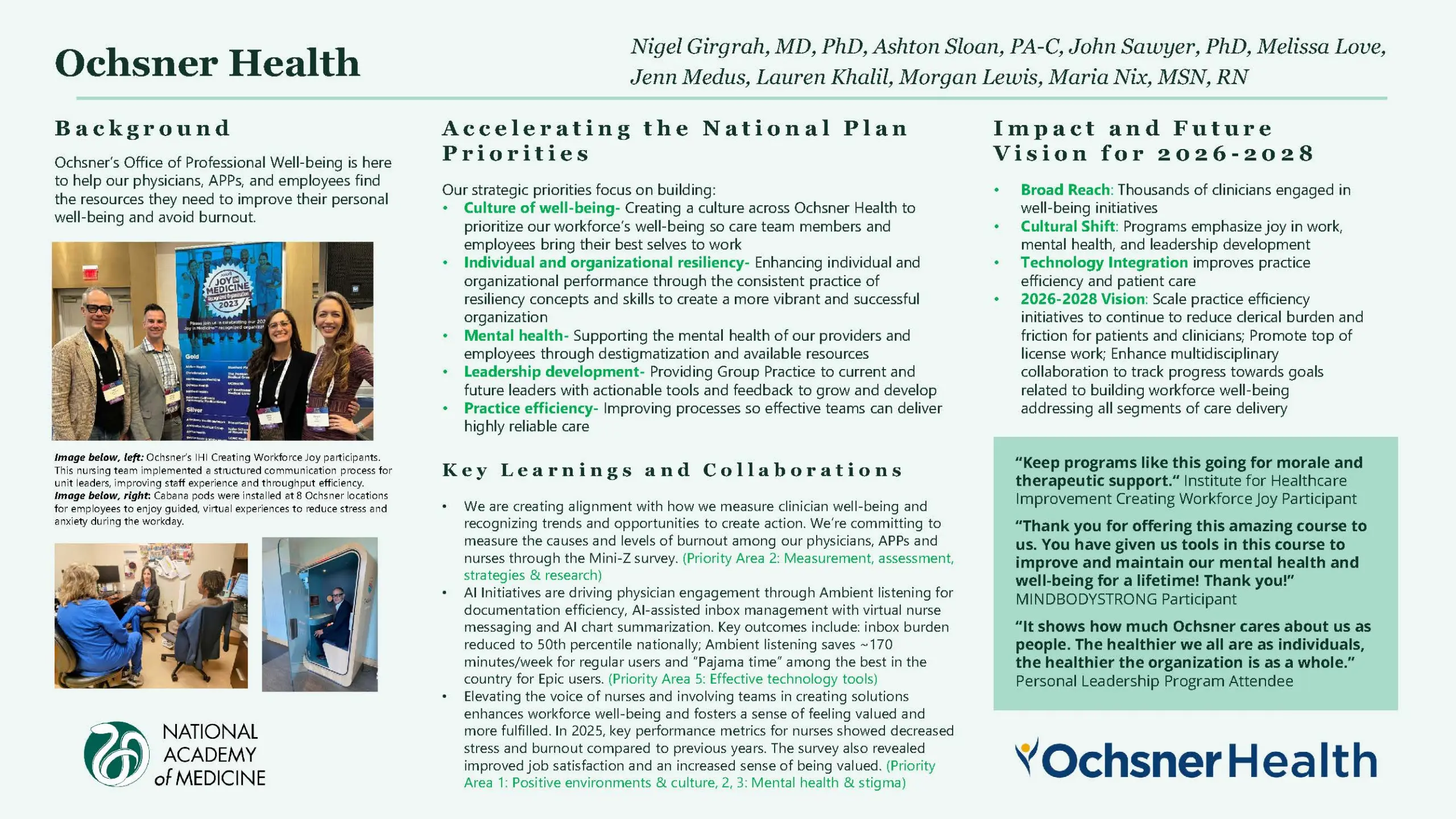
In December 2025, inaugural Accelerators shared their key learnings, collaborations, impacts, and future plans during a NAM poster session. Watch this highlight of their work as early leaders in implementing the National Plan, and explore the graphics for more details.
Progress in Action
Accelerating the National Plan Priorities
*These actions advance multiple Priority Areas.
Priority Area 1: Create and sustain positive work and learning environments and culture
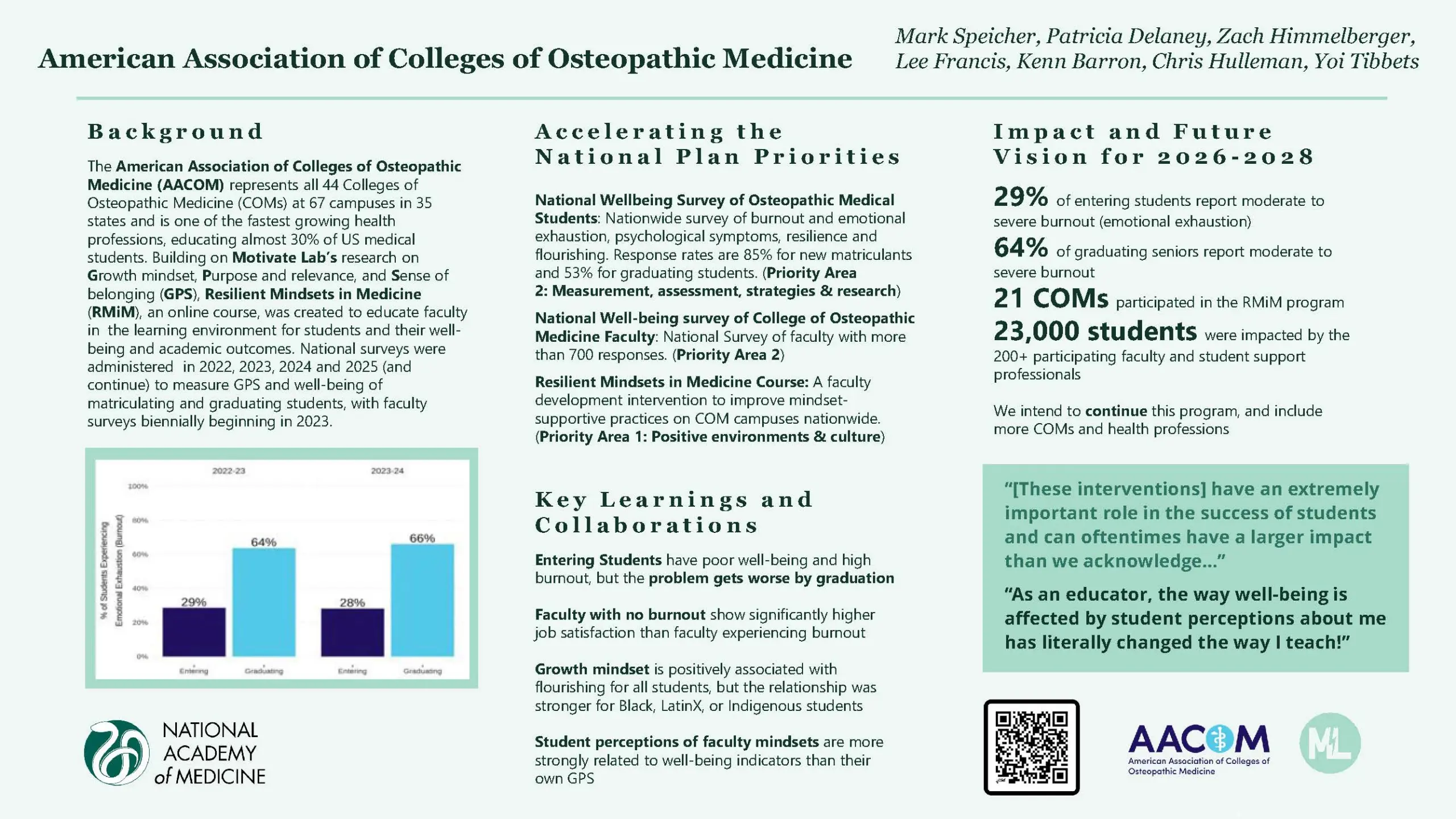
American Association of Colleges of Osteopathic Medicine (COM) implemented a faculty development intervention that improved mindset-supportive practices on COM campuses nationwide.
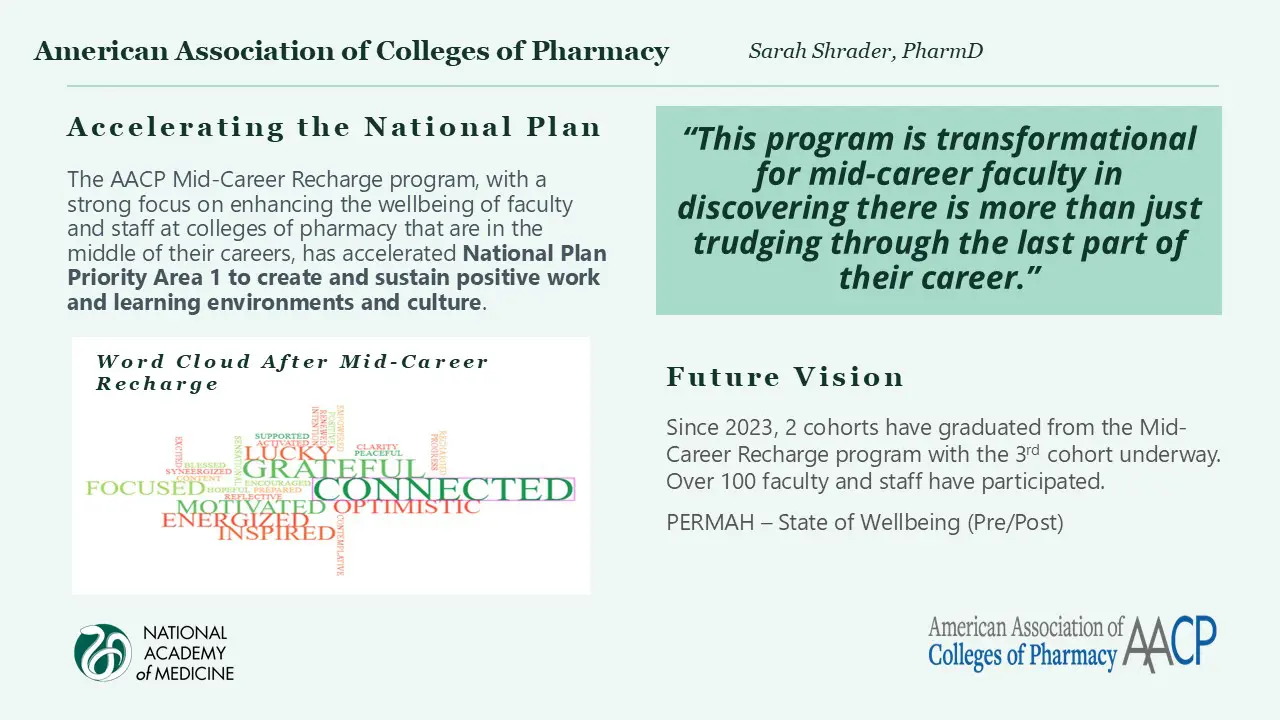
American Association of Colleges of Pharmacy developed a program focused on enhancing the well-being of faculty and staff that are in the middle of their careers at colleges of pharmacy.
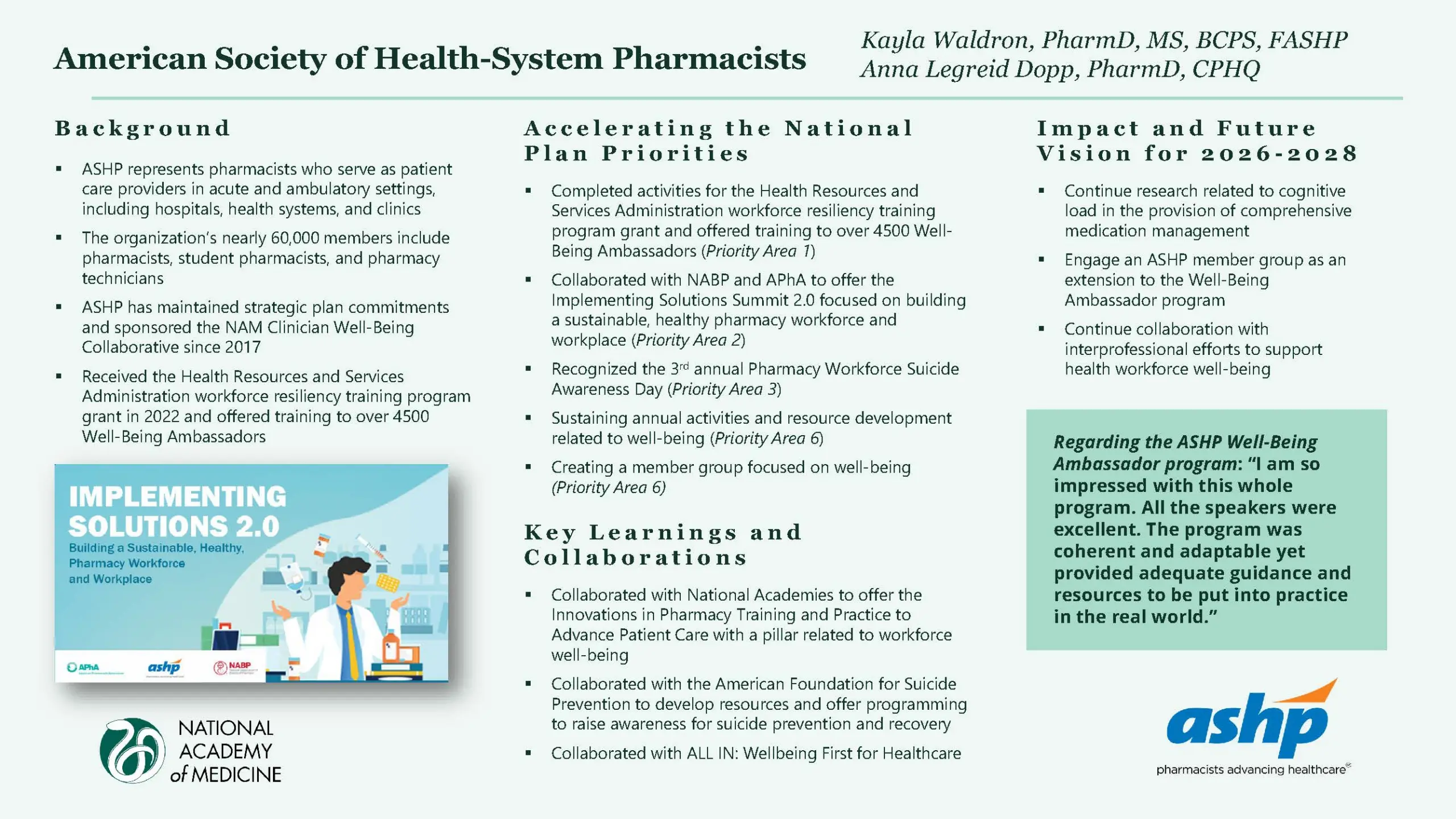
American Society of Health-System Pharmacists completed activities for the Health Resources and Services Administration workforce resiliency training program grant and offered training to over 4500 Well-Being Ambassadors.
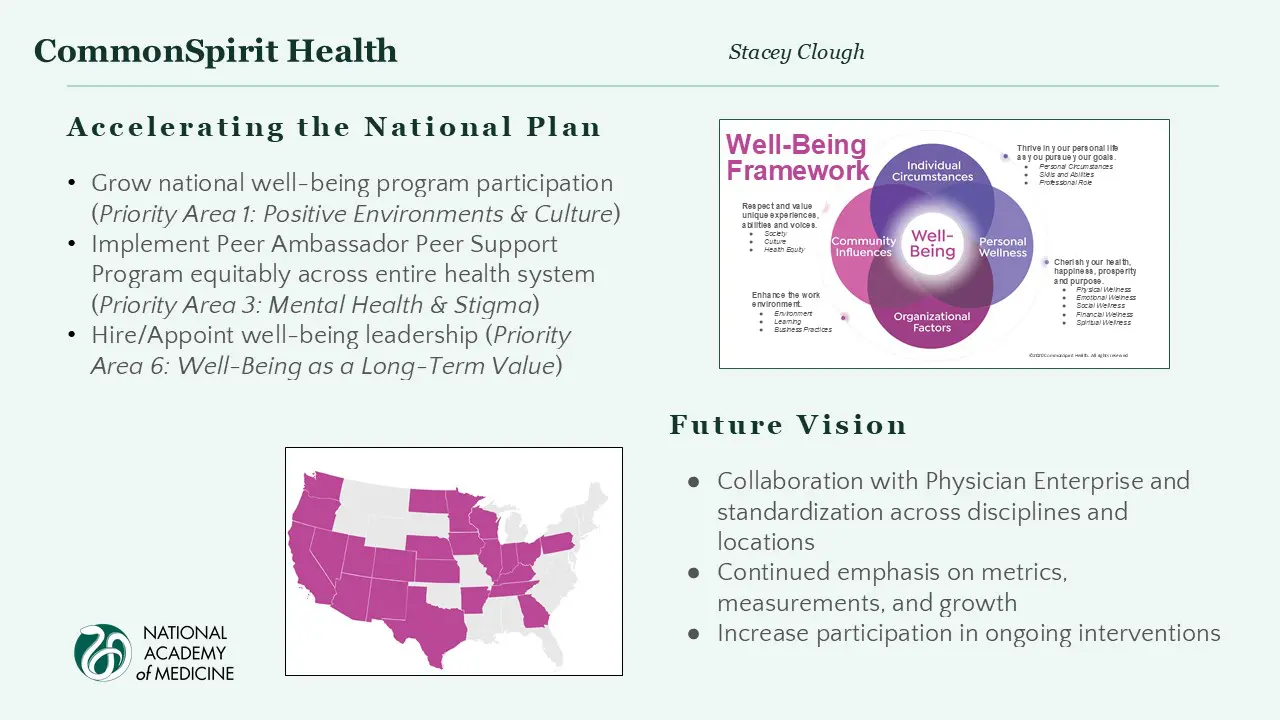
CommonSpirit Health grew national well-being program participation and supported a system-level well-being program with 40% participation rate.
MD Anderson Cancer Center implemented a Certified Department Program.
Ochsner Health enhanced individual and organizational performance through the consistent practice of resiliency concepts to create a more vibrant and successful organization. They also provided actionable tools and feedback to grow and develop current and future leaders.
OhioHealth supported teams through the WE Care program, including with critical incident response, dog therapy, peer support, and suicide prevention gatekeeper training.
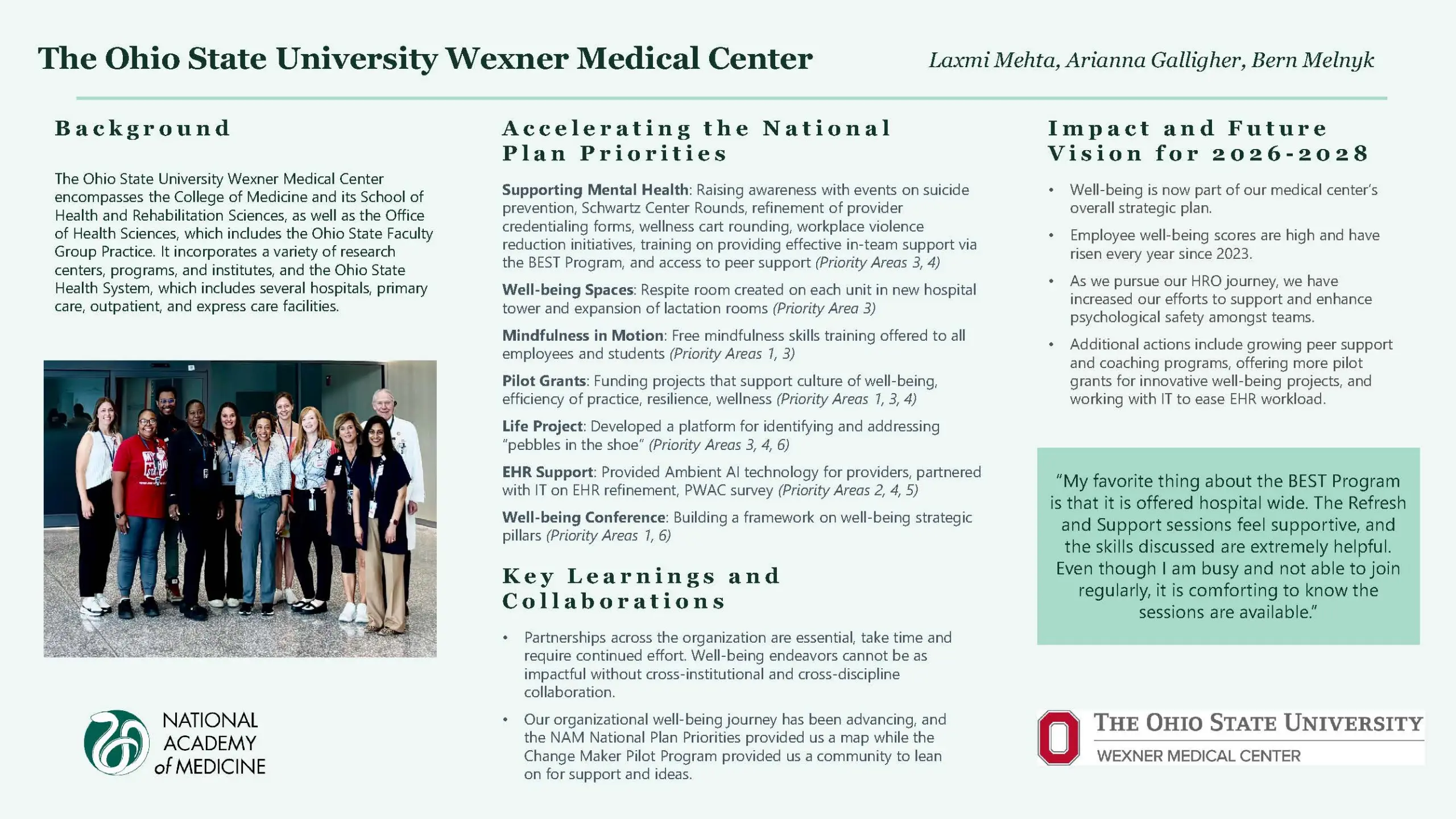
Ohio State University Wexner Medical Center offered free mindfulness skills training to all employees and students.*
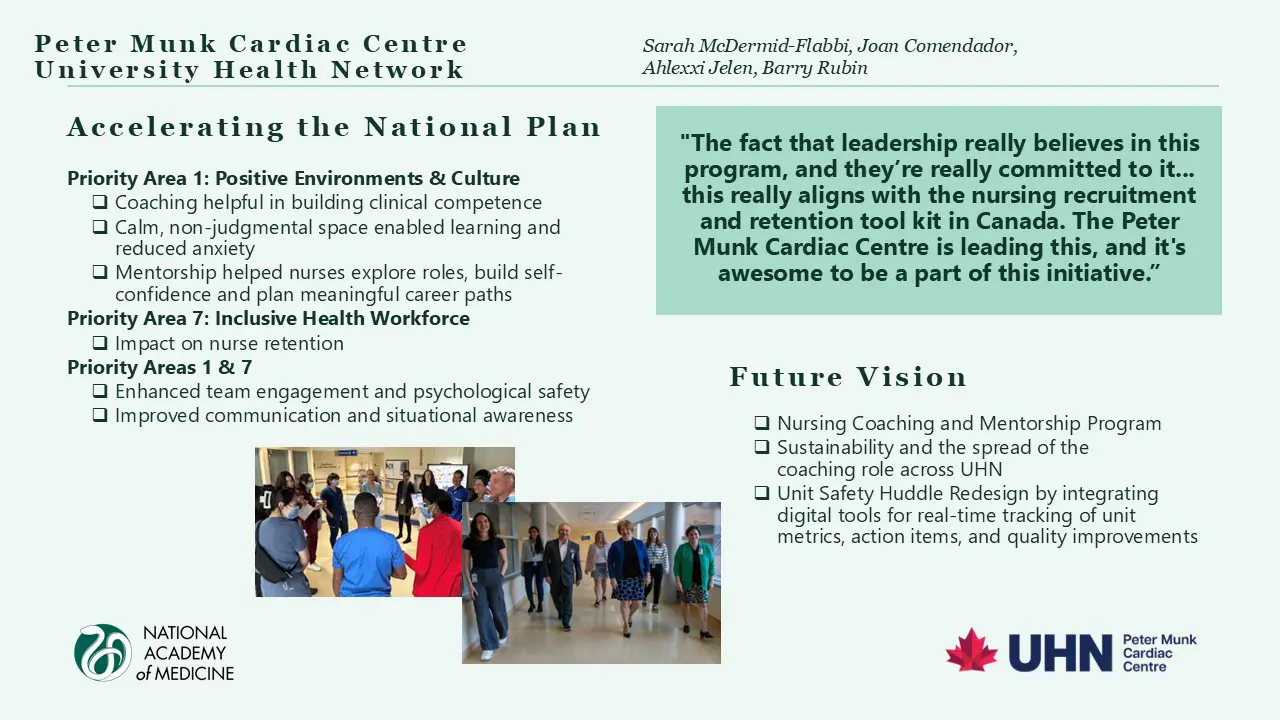
Peter Munk Cardiac Centre, University Health Network provided coaching and mentorship in a calm, non-judgmental environment, supporting clinical competence, reducing anxiety, and helping nurses build confidence and explore career paths.
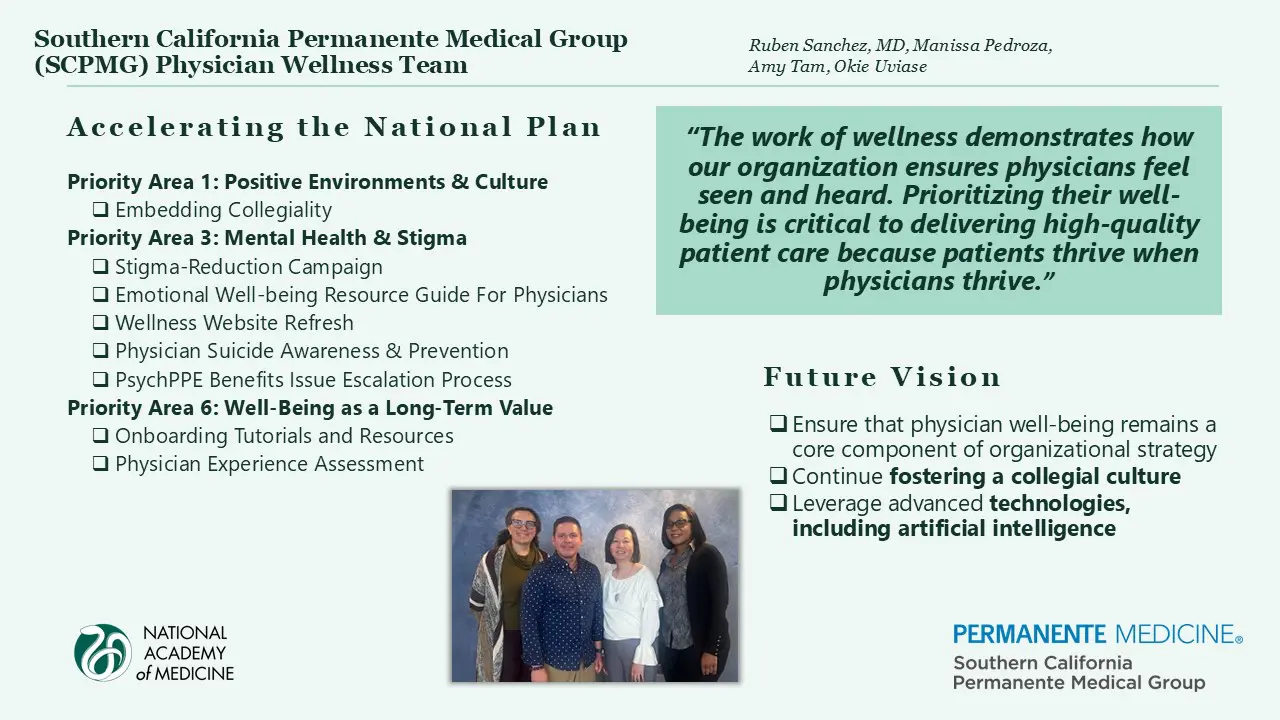
Southern California Permanente Medical Group implemented strategies and resources to strengthen physician relationships, foster collaboration, and ensure compliance.
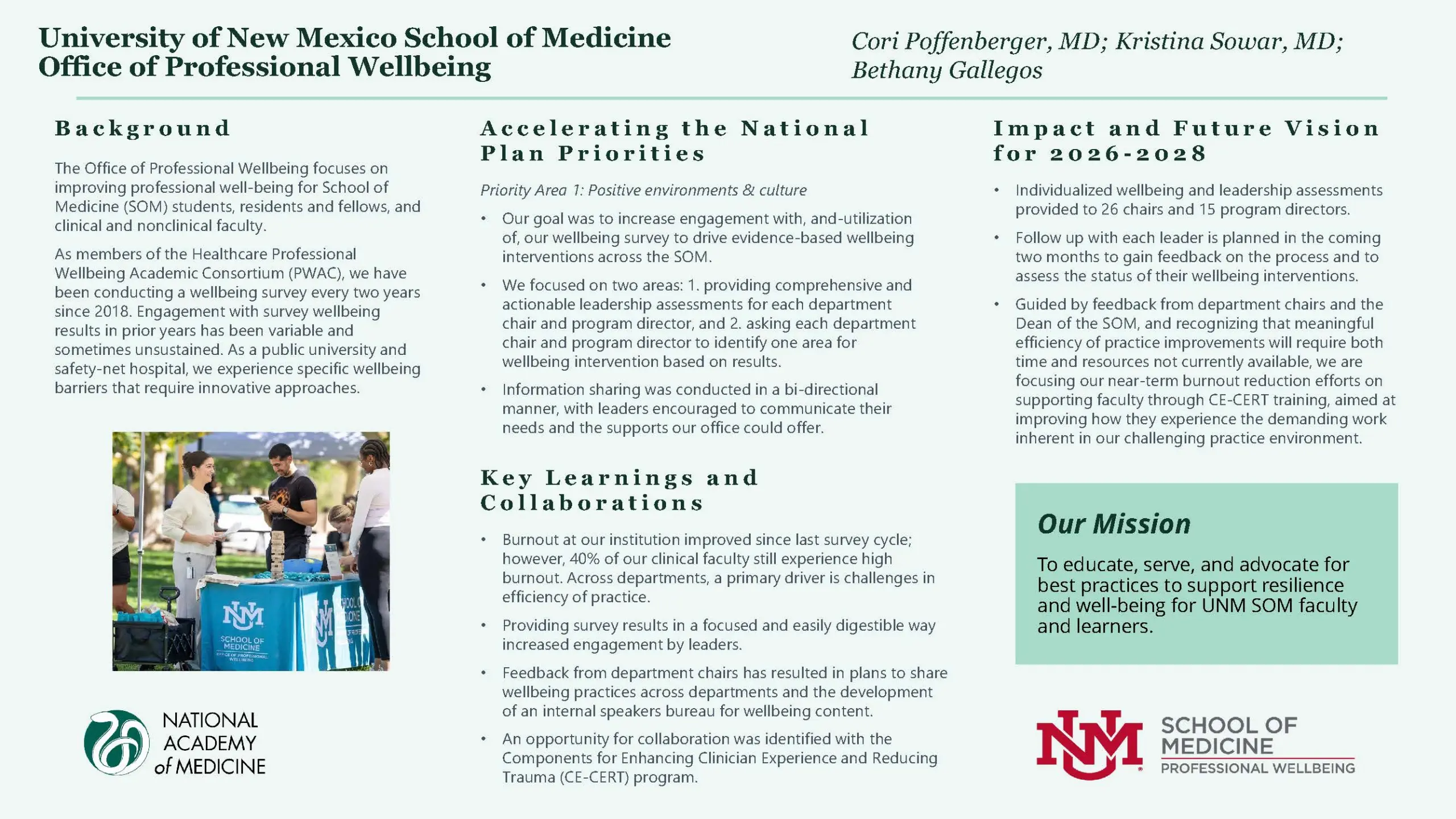
University of New Mexico School of Medicine increased engagement with and use of the well-being survey to drive evidence-based well-being interventions across the School of Medicine.
Priority Area 2: Invest in measurement, assessment, strategies, and research
American Association of Colleges of Osteopathic Medicine conducted a nationwide survey of burnout and emotional exhaustion, psychological symptoms, resilience and flourishing, with response rates of 85% for new matriculants and 53% for graduating students.
American Society of Health-System Pharmacists collaborated with NABP and APhA to offer the Implementing Solutions Summit 2.0 focused on building a sustainable, healthy pharmacy workforce and workplace.
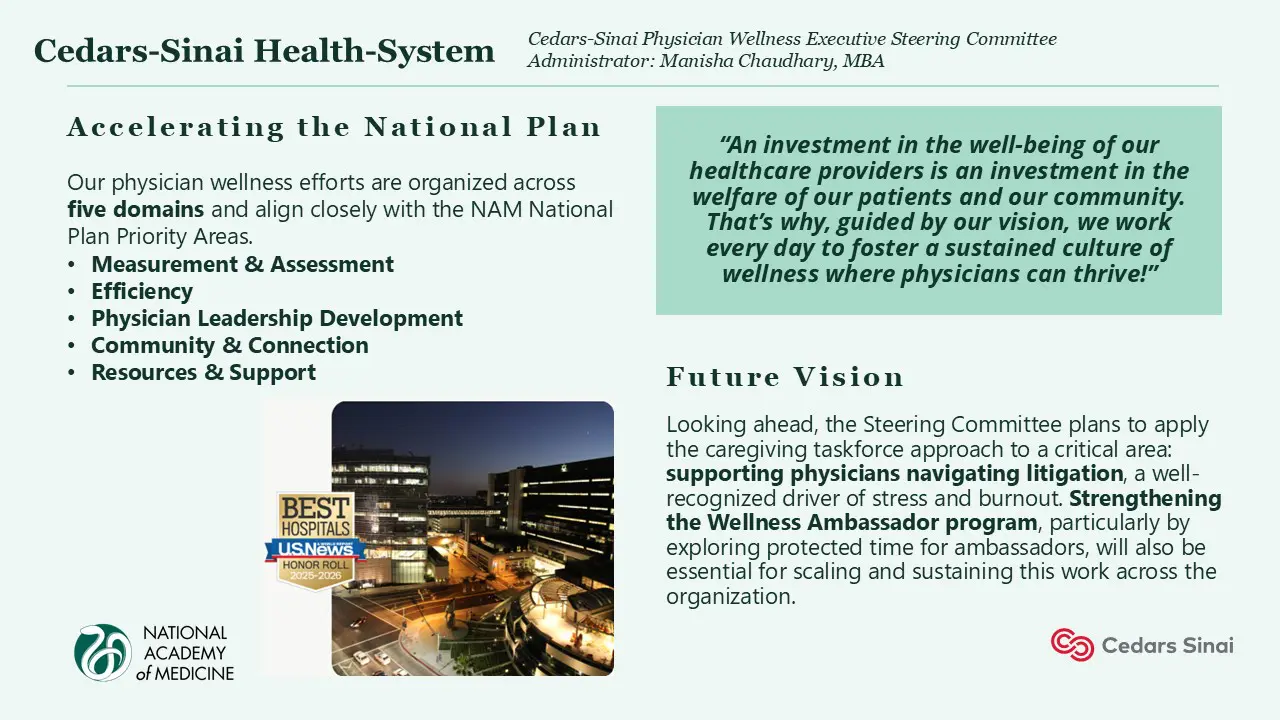
Cedars-Sinai Health System used the AMA Mini-Z survey tool to evaluate professional satisfaction every 18 months.
MD Anderson Cancer Center measured burnout, PWAC, and conducted a Research/Quality Improvement Program.
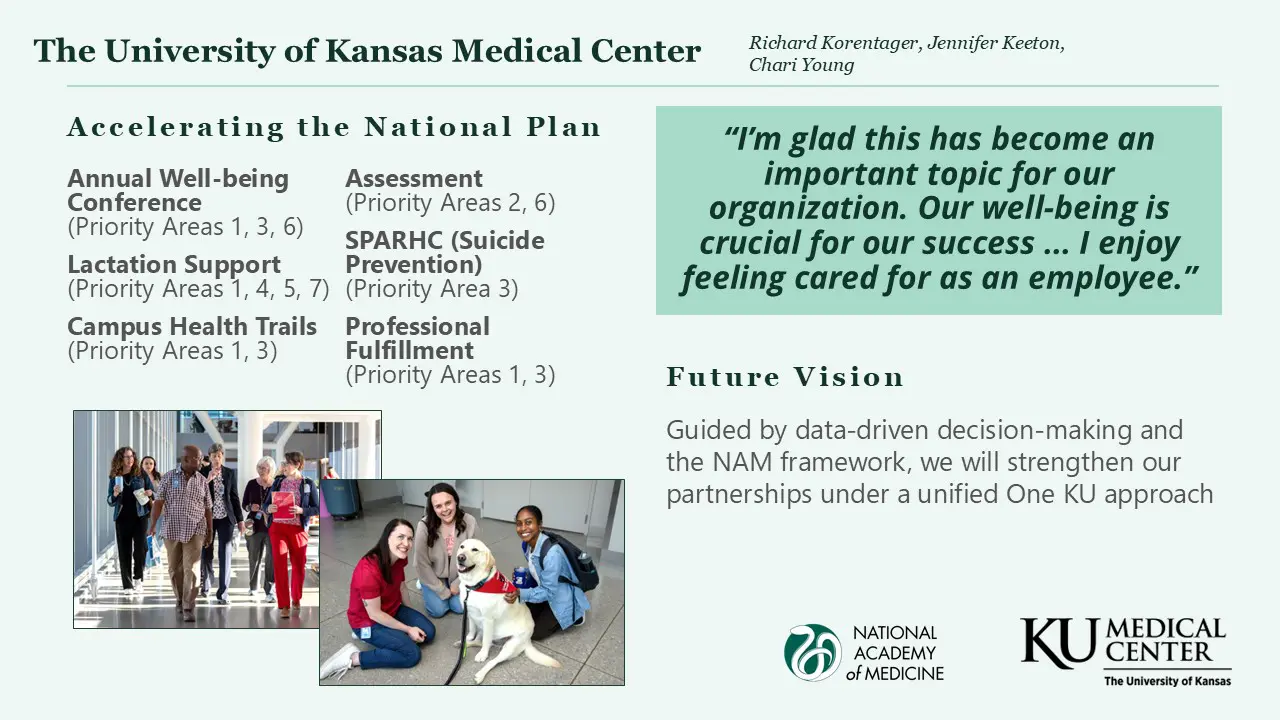
University of Kansas Medical Center started their first-ever campus-wide well-being assessment.*
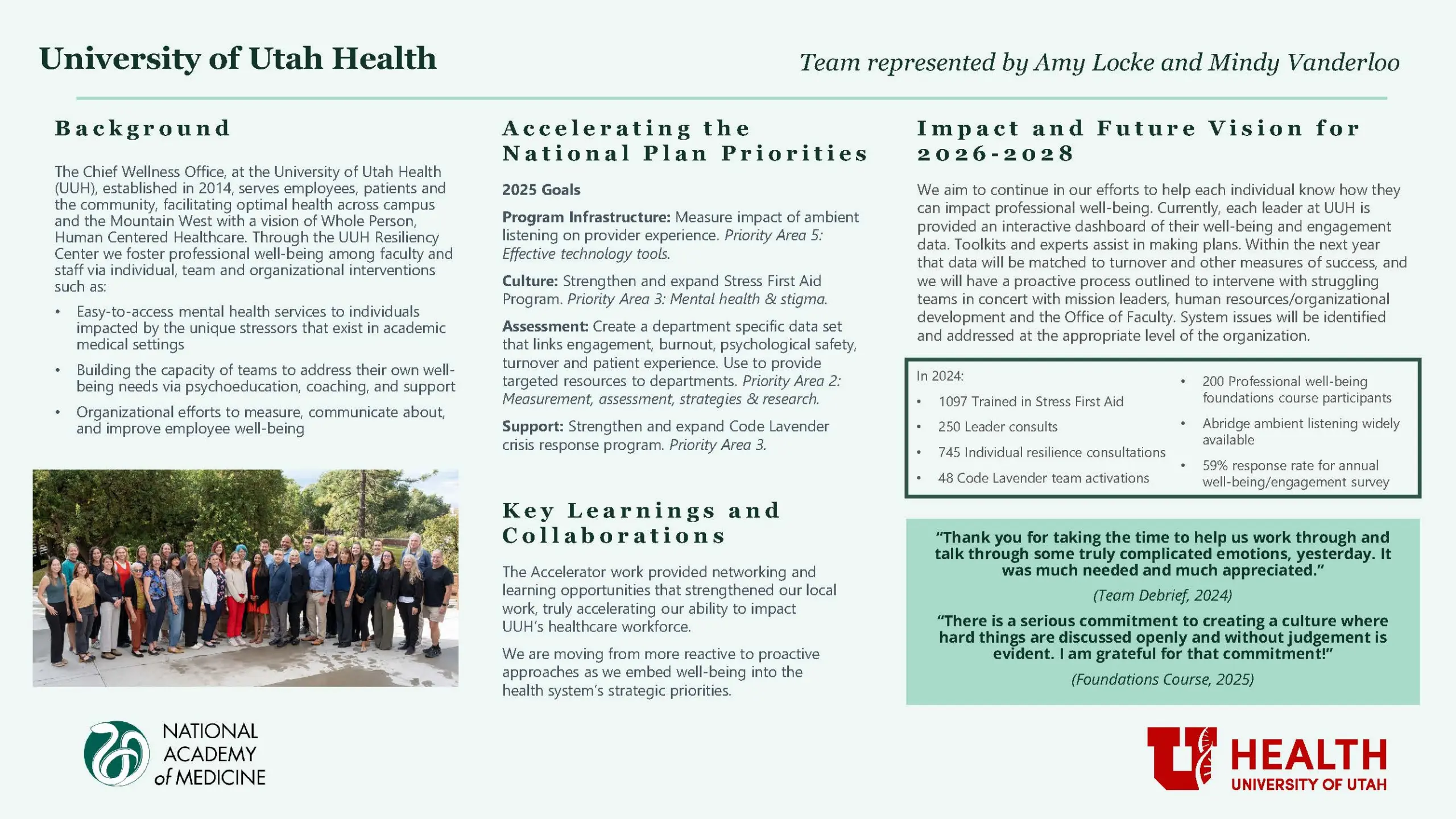
University of Utah Health created a department-specific data set that links engagement, burnout, psychological safety, turnover, and patient experience, and used it to provide targeted resources to departments.
Priority Area 3: Support mental health and reduce stigma
American Society of Health-System Pharmacists recognized the third annual Pharmacy Workforce Suicide Awareness Day.
CommonSpirit Health implemented a Peer Ambassador Peer Support Program equitably across their entire health system, with Peer Ambassadors in all regions.
MD Anderson Cancer Center reduced stigmatizing language on credentialling applications and increased mental health support.
Ochsner Health supported the mental health of providers and employees through destigmatization and expanded access to resources.
OhioHealth supported mental health through their Well-Being Center, including same day and on-call support for those in crisis/distress and mental health counseling for all.
Ohio State University Wexner Medical Center created a respite room on each unit in their new hospital tower and expanded lactation rooms.
Southern California Permanente Medical Group published content to normalize psychPPE use, reduce stigma, and promote evidence-based self-care; updated guidance on benefits and support services; added centralized resources; provided 24/7 legal, credentialing, licensure, and mental health support; and established processes to address access barriers.
University of Kansas Medical Center built a culture of well-being, research, best practices, and connection. They updated and expanded Campus Health Trail routes and advanced suicide prevention through education and outreach, while supporting professional fulfillment through personal strengths, sleep, and gratitude practices.*
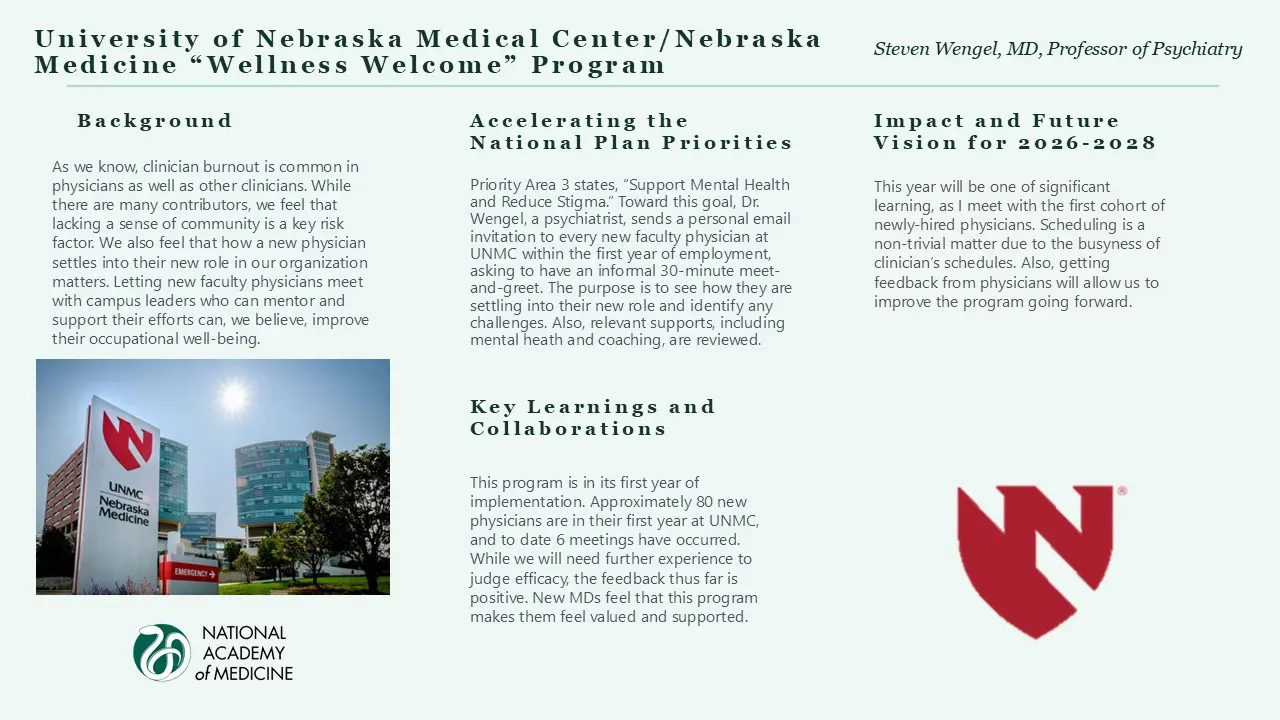
University of Nebraska Medical Center/Nebraska Medicine implemented the “Wellness Welcome” program, which includes a psychiatrist sending a personal email to each new faculty physician within the first year of employment for an informal meeting to assess their transition, identify challenges, and review available supports, including mental health and coaching.
University of Utah Health strengthened and expanded their Stress First Aid Program and their Code Lavender crisis response program.
Priority Area 4: Address compliance, regulatory, and policy barriers for daily work
MD Anderson Cancer Center developed an Ease of Practice Committee.
Ohio State University Wexner Medical Center raised awareness through events, training, and peer support; funded projects to support well-being, efficiency, and resilience; developed a platform to address “pebbles in the shoe”; and implemented Ambient AI, EHR refinements, and a PWAC survey.*
University of North Carolina Health and UNC School of Medicine promoted operational improvements and teammate well-being through transparency, bi-directional communication, and contextual inquiries that lead to meaningful change efforts.*
Priority Area 5: Engage effective technology tools
Cedars-Sinai Health System utilized technology to reduce cognitive load, particularly related to documentation and in-basket burdens.
MD Anderson Cancer Center implemented secure chat in EPIC and launched Ambient AI pilot.
Michigan Medicine used ambient listening technology to securely record patient-clinician conversations during visits and generate structured clinical notes for clinicians to review, edit, and finalize in the EHR system. They also conducted a preliminary study of 196 clinicians that found that ambient listening technology use was associated with improvements in several key provider well-being metrics.
Ochsner Health improved processes so effective teams could deliver highly reliable care.
University of Utah Health measured the impact of ambient listening on provider experience.
Priority Area 6: Institutionalize well-being as a long-term value
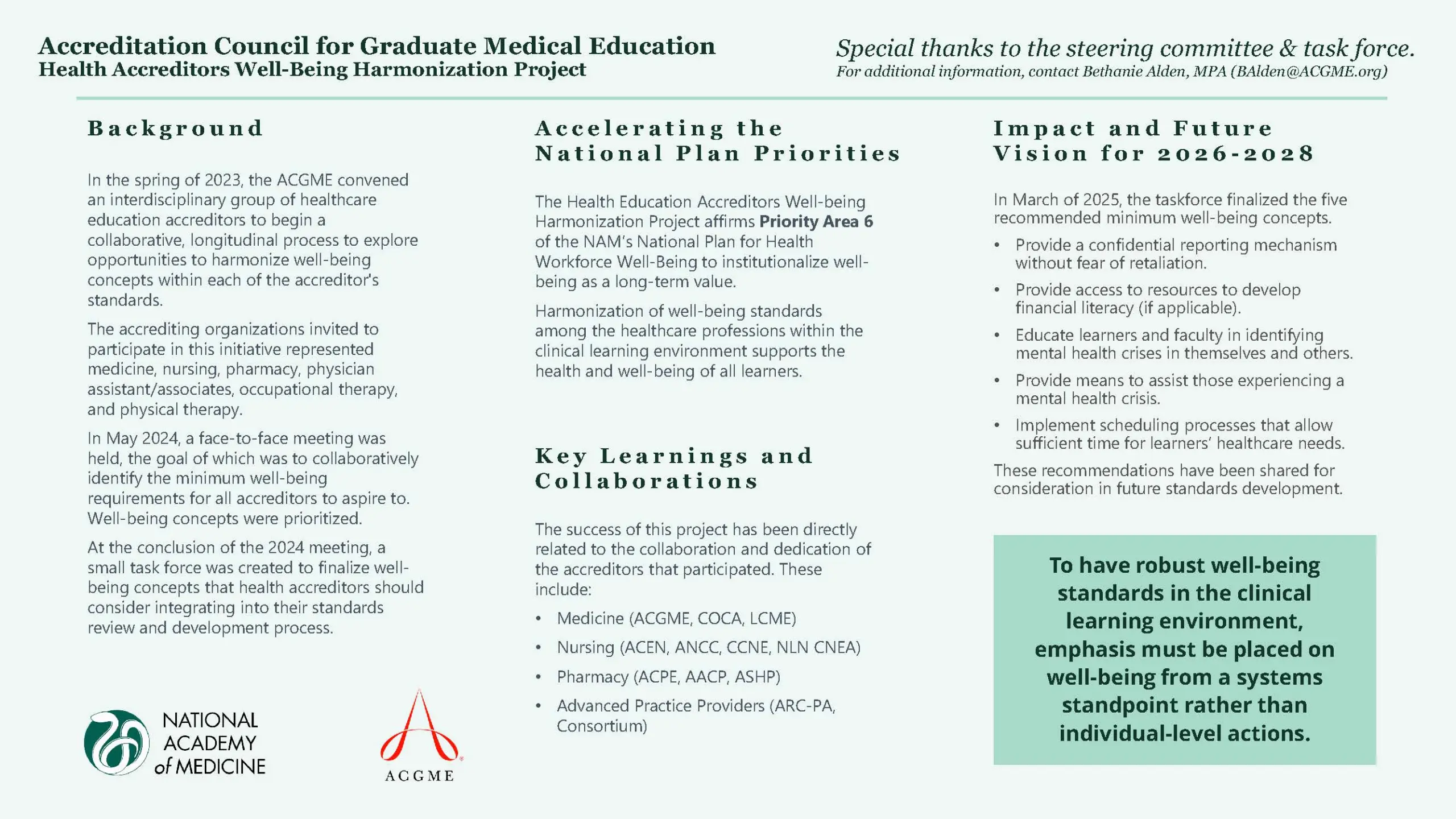
Accreditation Council for Graduate Medical Education harmonized well-being standards among the health care professions within the clinical learning environment to support the health and well-being of all learners.
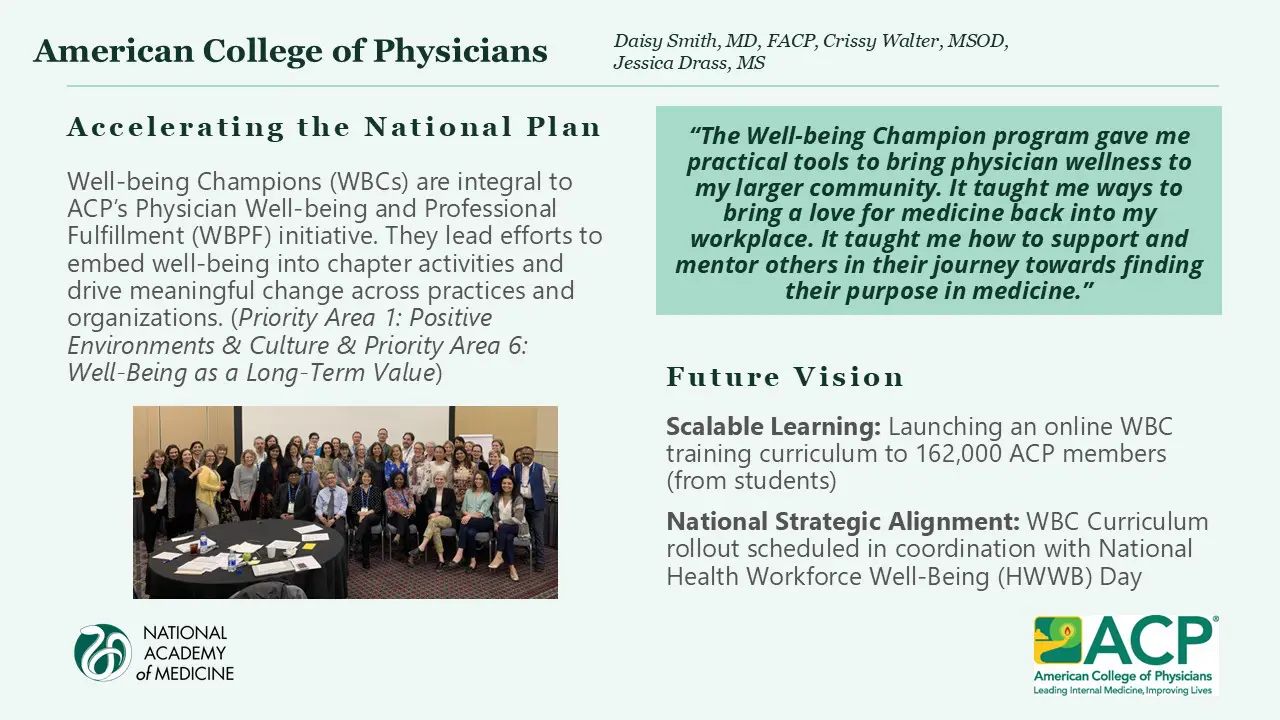
American College of Physicians engaged Well-Being Champions to lead efforts to embed well-being into activities and drive meaningful change across practices and organizations.
American Society of Health-System Pharmacists sustained annual activities and resource development related to well-being and created a member group focused on well-being.
CommonSpirit Health appointed well-being leadership, including a System Director of Well-Being and Director of Organizational Resilience.
MD Anderson Cancer Center expanded its well-being team, appointed its first Chief Wellness Officer, and established institutional well-being priorities.
Ochsner Health created a culture to prioritize workforce well-being so care team members and employees bring their best selves to work.
OhioHealth established a sustainable well-being structure to help institutionalize well-being as a long-term value at their institution.
Ohio State University Wexner Medical Center built a framework on well-being strategic pillars.
Southern California Permanente Medical Group developed onboarding materials for chief wellness officer, wellness sponsors, champions, and peer supporters, as well as expanded their wellness survey and shared insights to guide leadership actions.
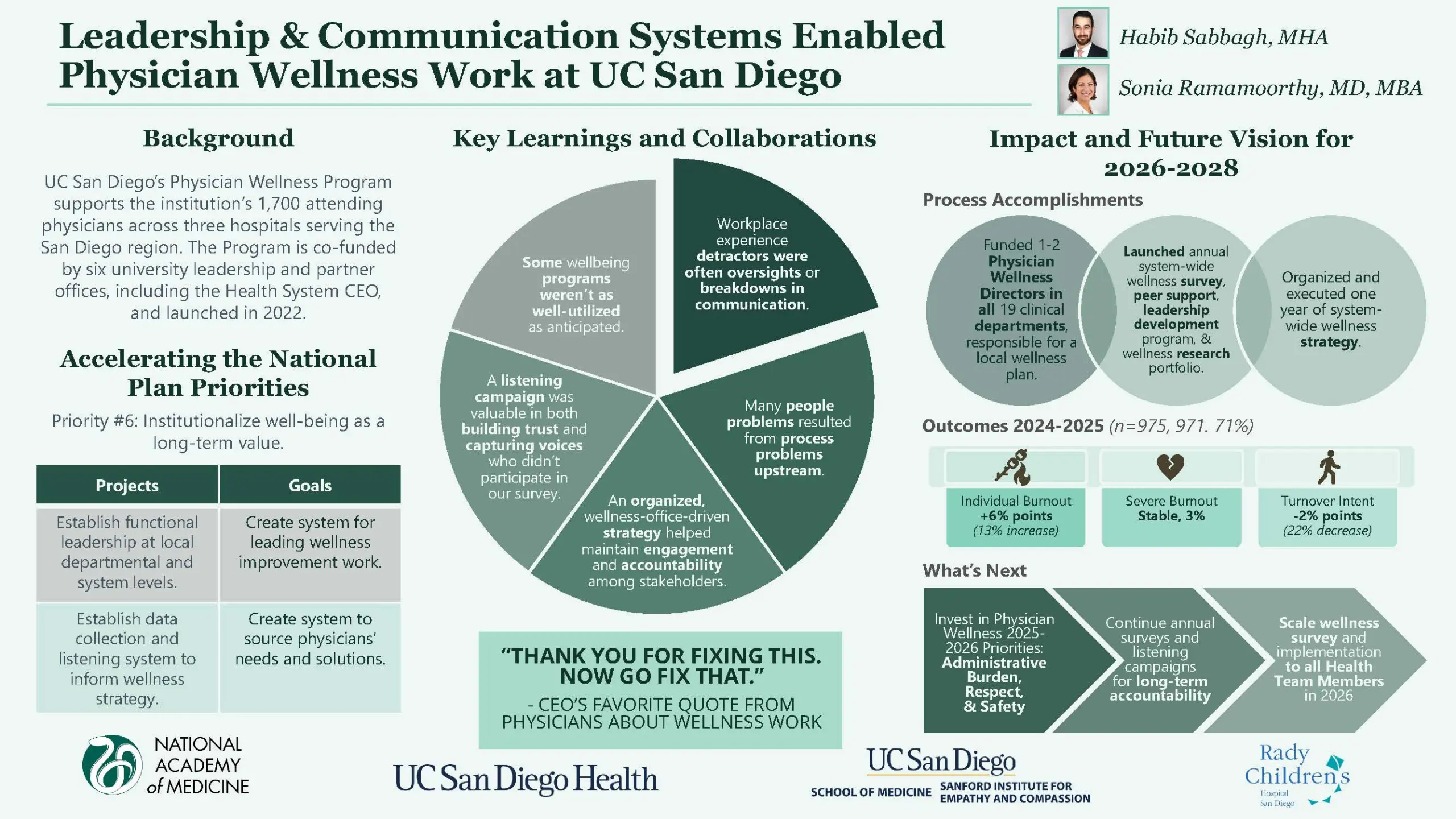
University of California San Diego Health established functional leadership at local departmental and system levels as well as established data collection and listening systems to inform their wellness strategy, to ultimately create systems that source physicians’ needs and solutions.
Priority Area 7: Recruit and retain a diverse and inclusive health workforce
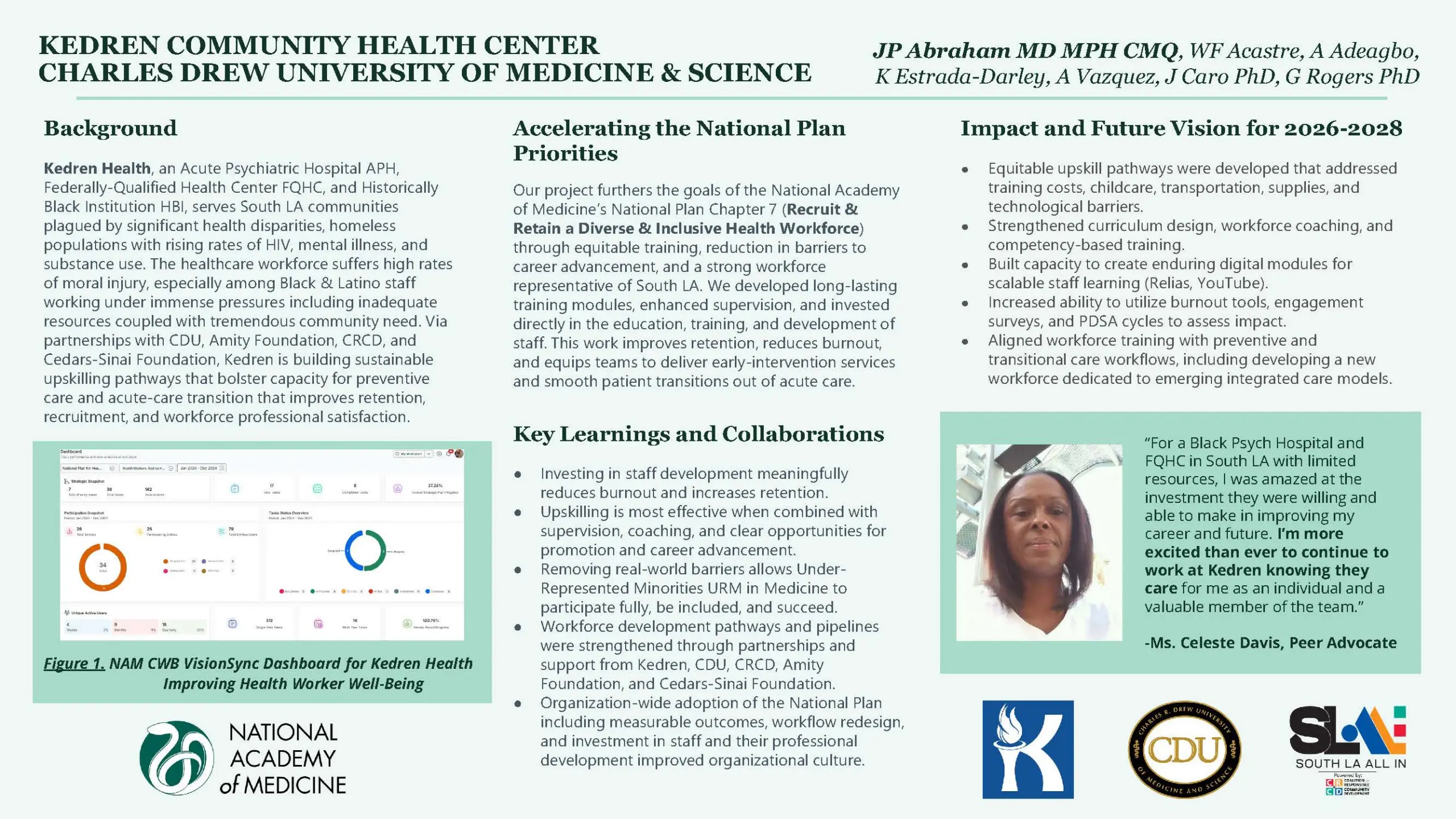
Kedren Community Health Center provided equitable training, reduced barriers to career advancement, and supported a workforce representative of South LA. Their project enhanced training, supervision, and staff development—improving retention, reducing burnout, and strengthening early-intervention services and care transitions.
MD Anderson Cancer Center created the Meyers Institute for Oncology Nursing and Workforce Innovations apprenticeship program.
Peter Munk Cardiac Centre, University Health Network improved nurse retention and enhanced team engagement, psychological safety, communication, and situational awareness.*
University of Kansas Medical Center improved facilities, scheduling, and employee and learner support.*
The organizations featured on this webpage are independent entities not formally affiliated with the National Academy of Medicine. The content on this page does not necessarily represent the views of any one organization, the National Academy of Medicine, or the National Academies of Sciences, Engineering, and Medicine. We are sharing this content based on the expert guidance of Change Maker Accelerators to serve as a resource.
The funding support extended by the NAM Clinician Well-Being Collaborative’s sponsors makes work like this possible.
Related Products