
Reviewed by Susan Mayne, PhD, and Megan Ranney, MD, MPH. Last updated February 4, 2026.
Ultra-processed foods (UPFs) are products made with extra ingredients not typically used in home kitchens, often including additives that enhance flavor, texture, or appearance. Since UPFs make up a significant portion of many people’s daily diets, understanding what UPFs are — and how they may affect health — can help individuals make informed choices. While many UPFs are high in sugar, salt, and saturated fat and are engineered to be highly palatable, not all are inherently unhealthy: nutritious options like whole-grain breads also fall within this category.

What are ultra-processed foods, and how are they classified?
Although there is no single definition used in all cases for ultra-processed foods (UPFs), they are commonly defined using the Nova classification system, which categorizes foods based on the extent and purpose of their processing. The Nova system classifies foods into four groups based on their level of processing: Unprocessed or Minimally Processed Foods, Processed Culinary Ingredients, Processed Foods, and Ultra-Processed Foods. UPFs typically contain multiple ingredients, including those not usually used in home cooking like high-fructose corn syrup, hydrogenated oils, and additives like preservatives and emulsifiers that enhance palatability and increase shelf life.
Why are UPFs a focus of current nutrition and public health research?
Over the years, UPFs have become a growing focus area for nutrition and public health research because of their association with a range of negative health outcomes due in part to high sugar, fat, and salt content. Consumption of UPFs is associated with weight gain and chronic conditions like Type 2 diabetes and cardiovascular diseases. UPFs have been estimated to account for more than half of the calories children in the United States consume.
What kinds of ingredients or additives are commonly found in ultra-processed foods?
UPFs are characterized by higher fat, sugar, and salt content than found in whole or minimally processed foods. They often contain industrial ingredients like high-fructose corn syrup and hydrogenated oils that improve flavor and texture to increase their palatability. UPFs can also include a wide range of additives, such as artificial flavors and colors, emulsifiers, thickeners, or preservatives.
In 2025, the US Department of Health and Human Services and Food and Drug Administration (FDA) announced a plan to phase out the use of some color additives.
Do some UPFs offer nutritional benefits or play a useful role in healthy diets?
Yes, some UPFs can offer nutritional benefits. Nutrition experts urge consumers to read food packaging labels to identify healthier options and prioritize foods lower in fat, sugar, and salt. Fortified cereals, plant-based beverages, whole-grain breads, or fruit yogurts classified as UPFs can offer nutritional benefits – particularly if the available alternatives are unhealthier options.
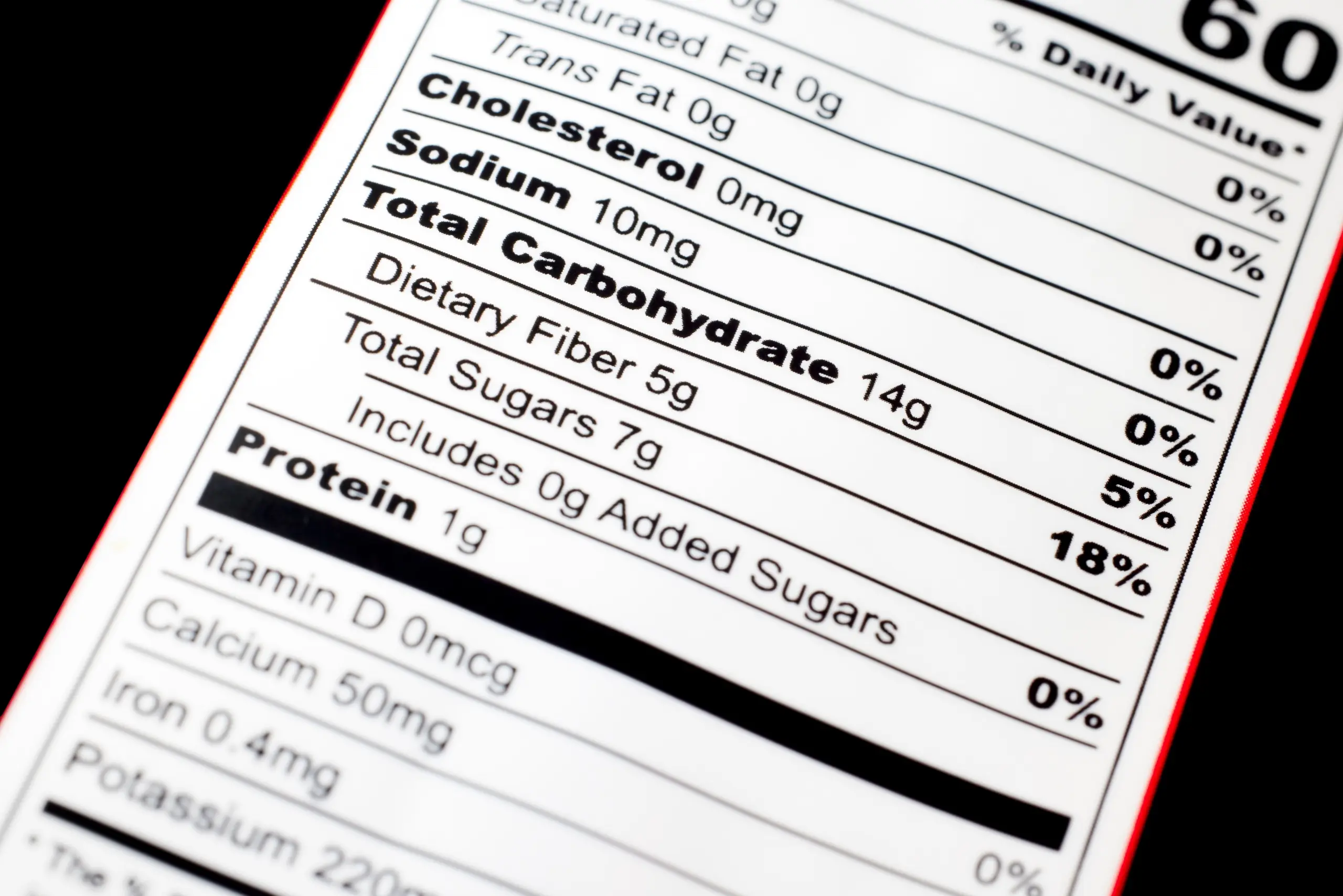
In the US, packaged foods are required to carry a Nutrition Facts panel that reports nutrient amounts and an ingredient list.
How does food labeling in the United States compare to labeling systems in other countries when it comes to identifying UPFs?
In the United States, packaged foods are required by the FDA to carry a Nutrition Facts panel that reports nutrient amounts and an ingredient list. These labels focus on nutrient content and ingredients, not the degree of processing, so they do not necessarily indicate if a food is ultra-processed.
Several countries supplement or replace nutrient and ingredient information with front-of-package labels intended to help consumers more quickly assess potential health risks (e.g., high sugar, salt, or saturated fat). For example, Chile requires warning labels on products high in added sugar, salt, saturated fat, or calories. These labels do not explicitly identify foods as ultra-processed.
In early 2025, the FDA proposed a rule to require nutrition labels on the front of most packaged foods. These labels would list saturated fat, salt, and added sugar content, with interpretive labeling for each (high, medium, low).
How do US dietary guidelines address food processing?
US dietary guidelines continue to evolve. The 2020–2025 US Dietary Guidelines for Americans focused on promoting balanced eating, emphasizing whole foods like vegetables, fruits, whole grains, and protein, and recommending limited sugars, saturated fats, and salt.
The new 2025–2030 US Dietary Guidelines for Americans, released in January 2026, explicitly recommend minimizing consumption of “highly processed packaged, prepared, ready-to-eat, or other foods that are salty or sweet.” The report defines highly processed foods as “any food, beverage, or engineered food-like item that is made primarily from substances extracted from food (e.g., refined sugars, grains, starches or oils) and/or containing industrially manufactured chemical additives.)”
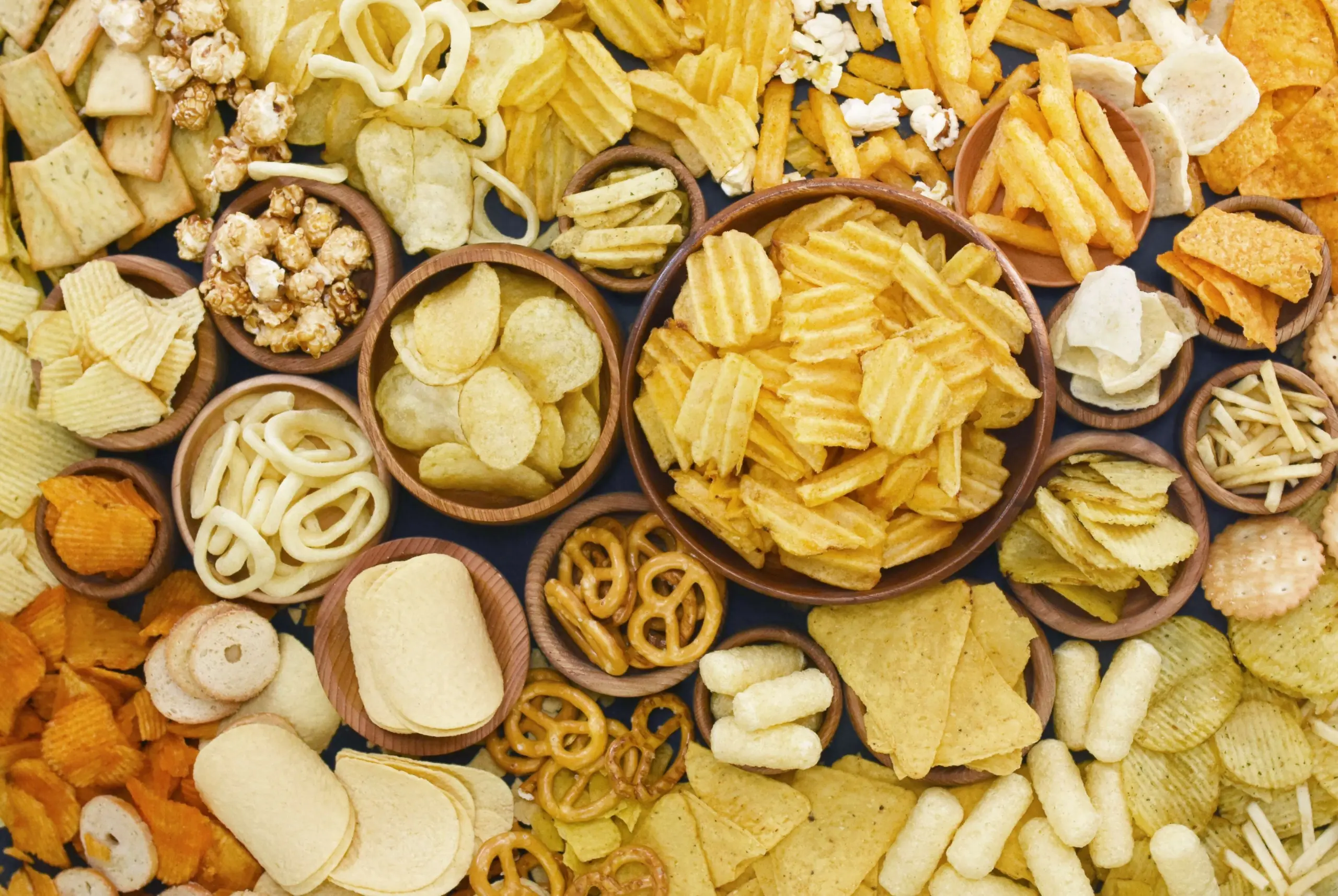
The new 2025–2030 US Dietary Guidelines for Americans recommend minimizing consumption of “highly processed packaged, prepared, ready-to-eat, or other foods that are salty or sweet.”
What are scientists still learning about UPFs? Why is this research important?
For many Americans, UPFs can be the most affordable and accessible options. In addition, processing improves food stability and shelf-life. Because many people consume UPFs regularly, it’s important to understand exactly why and how UPFs affect health outcomes. For example, some scientists are studying the effects of specific additives, the impact of additives on the gut microbiome, and how UPFs might contribute to chronic conditions like obesity and heart disease. Scientists are also researching how to improve eating habits, examining the effects of UPFs on children’s health, determining the value of different nutrition labels, and studying how federal or school food programs can better support healthy eating.

