

Source: Mohammed_Al_Ali / Shutterstock.com
What are peptides?
Peptides are short chains of amino acids, typically containing between 2 and 50 amino acids. Amino acids are the building blocks of proteins, which are generally larger and more complex.
The body naturally produces many peptides. Some act as hormones or other chemical messengers that help regulate functions such as metabolism, growth, immune responses, and communication between cells. Peptides can also be produced or modified in laboratories for use in medicines.
The word “peptide” describes the structure of a molecule. Although peptides occur naturally in the body and have therapeutic potential, not every peptide is suitable for medical use.
How are peptides used as medicines?
Scientists can develop medicines that mimic or modify the effects of peptides found naturally in the body. Peptide-based drugs are used to treat many different health conditions.
For example, FDA-approved peptide drug products include the GLP-1 medications semaglutide and liraglutide, which are used to treat conditions including Type 2 diabetes and obesity; glucagon, which can be used to treat severe low blood sugar; and teriparatide, which is used to treat certain people with osteoporosis.
Researchers continue to study new peptide-based drugs for conditions ranging from metabolic and cardiovascular diseases to cancer and chronic pain.
Are collagen peptides and peptide supplements the same as peptide drugs?
No. The term “peptide” can appear on very different types of products.
Collagen peptides are small pieces of collagen protein that are commonly sold as dietary supplements. Dietary supplements are regulated differently from drugs. The FDA is not authorized to approve supplements for safety and effectiveness before they are sold; instead, supplement companies are the ones held legally responsible for accurate product labeling and safety evaluation. However, if a product already on the market is found to be unsafe, improperly labeled, or otherwise in violation of federal requirements, the FDA will typically step in.
Prescription peptide medicines are drugs developed for specific medical uses. There are also products marketed online as “peptide supplements” or “research peptides” that may contain experimental compounds such as BPC-157 or TB-500. These should not be confused with either dietary collagen supplements or FDA-approved peptide medicines.
Do peptides have to be injected?
Not always. Peptide medicines can be delivered in different ways depending on the specific drug. Many are injected because peptides can be broken down by digestive enzymes before enough of the medication reaches the bloodstream. However, scientists have developed some peptide drugs that can be taken orally. Other routes of administration include nasal sprays or creams.
Are peptides steroids?
No. Peptides and steroids are different types of molecules.
Peptides are chains of amino acids. Steroids have a characteristic four-ring chemical structure and include hormones such as testosterone, estrogen, and cortisol.
The confusion partly comes from the fact that some peptides and anabolic steroids are both promoted for muscle growth, athletic performance, or recovery. Some peptides can also affect hormone pathways. But being a peptide does not make a substance a steroid, and being “not a steroid” does not mean a product is necessarily safe or proven to work.
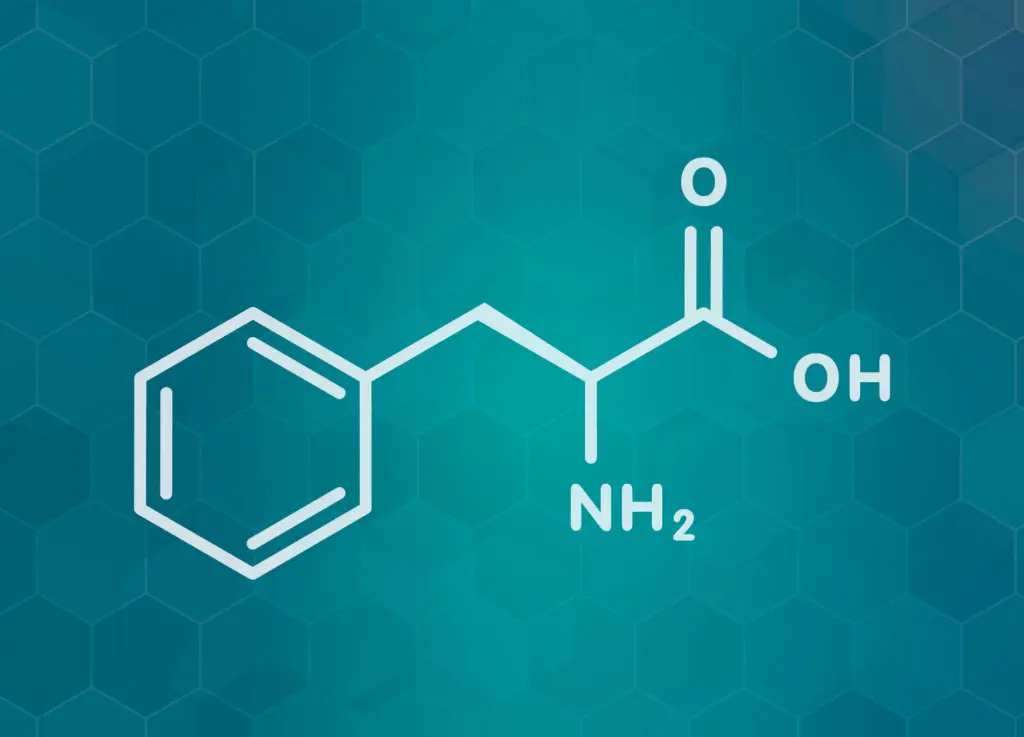
Chemical structure of a basic amino acid chain
Do peptides marketed for injury recovery, muscle growth, weight loss, or healthy aging actually work?
Peptides are increasingly promoted for purposes such as faster recovery from injuries, increased muscle growth, improved metabolism, and healthy aging. However, the evidence supporting many of these claims is limited.
A 2026 review of several peptides promoted for musculoskeletal recovery and performance found that most published studies were conducted in animals and that human studies were few and generally lacked strong controls or rigorous trial design. The researchers concluded that the claimed benefits of the peptides studied were not supported by current human evidence.
BPC-157, one of the most widely promoted peptides for injury recovery, illustrates the difference between promising early research and proven medical treatment. Animal studies have suggested possible effects on tissue healing, but a 2026 systematic review of human research identified only three small human studies involving a total of 30 people. Researchers rated the overall certainty of the evidence as very low.
Promising results in cells or animals can help scientists identify treatments worth studying, but they do not establish that a treatment works or is safe in people.
Are peptide therapies safe?
There is no single answer because peptides are a broad group of substances. Each peptide has its own effects, potential benefits, and risks.
FDA-approved peptide medications have been studied for particular medical conditions, doses, and methods of administration. Their known side effects and risks are described in their prescribing information.
There is much more uncertainty around experimental or unapproved peptides. For several peptides currently marketed for wellness or performance purposes, the FDA has identified limited human safety information and potential concerns including immune reactions and impurities. With some compounds, the FDA has not identified human exposure data at all.
The long-term effects of many experimental peptides are also unknown. This includes questions about whether some compounds could affect cancer development or growth. Cancer specialists have cautioned that many wellness peptides have not undergone the clinical studies needed to determine their effects on cancer cells. People with cancer or a history of cancer should discuss any peptide product with their health care team.
Products that are injected create additional concerns because contamination can cause serious infections or other harm. The FDA has warned that injectable products bypass some of the body’s defenses against toxins and microorganisms.
What is the difference between an FDA-approved peptide, a compounded peptide, and a “research use only” peptide?
These terms mean very different things.
FDA-approved peptide drugs have undergone FDA review to determine whether scientific evidence demonstrates that their benefits outweigh their known risks for a particular use. The FDA also evaluates how drugs are made, dosed, and administered, and determines when they are safe and appropriate to use.
Compounded drugs are prepared to meet a particular patient’s medical needs, such as when an FDA-approved medication is not medically appropriate for that patient. Compounding can serve an important medical purpose, but compounded drugs are not typically FDA-approved. This means the FDA does not always review the safety, effectiveness, or quality of a compounded medication before it is provided to patients. Such oversight varies by pharmacy type, with the FDA mainly regulating and inspecting facilities registered as outsourcing facilities.
Products labeled “research use only” or “not for human consumption” are not approved medicines for people. In 2026, the FDA issued warning letters to several online peptide sellers after finding that products labeled for research purposes were nevertheless being marketed in ways that indicated they were intended for human use.
An off-label use is different from all of these. Off-label prescribing occurs when a health care professional prescribes an FDA-approved drug for a condition, dose, age group, or other use that is not included in its FDA-approved labeling. It does not mean that the drug itself is unapproved.

Some peptide products on the market can be orally ingested.
How are peptides regulated in the United States?
In July 2026, the FDA’s Pharmacy Compounding Advisory Committee voted in favor of adding 6 of the 7 peptides under review to the list of bulk drug substances that may be used by compounding pharmacies. These 6 peptides were BPC-157, KPV, TB-500, MOTS-c, Semax, and Epitalon. The committee rejected emideltide (DSIP).
In October 2026, the US Department of Health and Human Services (HHS) released a draft policy “pausing” enforcement on the production and distribution of these 6 unapproved peptides by certain licensed pharmacies, physicians or Federal facilities in the United States, provided they meet the policy’s conditions. This policy could make these peptides more accessible, although a prescription is required.
According to the HHS, this policy is intended to offer patients a more controlled alternative to peptides sold online for “research use only,” which may come from foreign suppliers and pose safety risks. The policy does not mean the peptides or compounded products have been approved by the FDA or shown to be safe and effective.
What should you know before considering a peptide treatment?
The evidence for one peptide cannot be assumed to apply to another. When evaluating claims about a peptide, it can help to ask:
- Has this specific peptide been studied in people for the purpose being advertised?
- Are the claims based on controlled human clinical trials, or primarily on laboratory studies, animal research, or personal testimonials?
- Is there an FDA-approved drug containing this peptide?
- What side effects and long-term risks are known, and what is still unknown?
- What happens if I experience side effects?
- How do I know which dosage is correct?
- If the product is compounded, why is a compounded medication being used instead of an FDA-approved treatment?
- Where is the product being obtained, and who is responsible for its quality?
- Is the treatment being recommended and monitored by a qualified health care professional?
Anyone considering a peptide for a medical or health-related purpose should discuss the evidence, potential benefits, risks, and alternatives with a qualified health care professional.
