
Reviewed by Jaime Almandoz, MD, MBA, FTOS, and Tracy Zvenyach, PhD, MS, RN. Last updated January 20, 2026.
What are GLP-1 drugs?
GLP-1s (short for “glucagon-like peptide-1 receptor agonists”) are medications that mimic a natural hormone in the body that helps to regulate blood sugar levels and appetite. These drugs were initially prescribed to treat Type 2 diabetes, but some are now approved for weight management in people age 12 or older. Common brand names for GLP-1 drugs include Wegovy®, Ozempic®, Zepbound®, and Trulicity®.
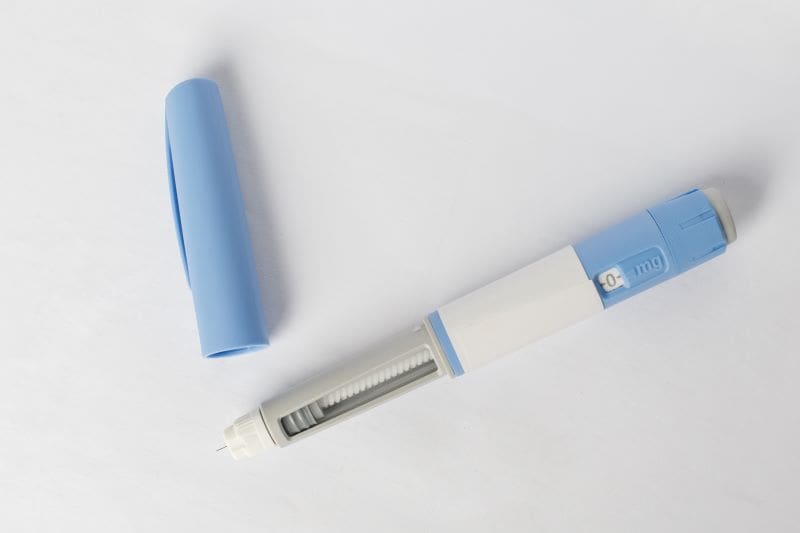
GLP-1s were initially prescribed to treat Type 2 diabetes, but some are now approved for weight management in people age 12 or older.
How do GLP-1 drugs work?
GLP-1s work by slowing stomach emptying, increasing feelings of fullness, and reducing appetite. They also help the pancreas release insulin when blood sugar levels are high. Most GLP-1 drugs are self-administered via injection, either once per week or daily, although one brand, Rybelsus®, is available in pill form.
What are the long-term benefits of GLP-1s?
In addition to achieving significant weight loss, research has shown that GLP-1 drugs can reduce the risk of major cardiovascular events such as heart attack or stroke in people with Type 2 diabetes. These benefits appear to extend even to people without diabetes who have a history of cardiovascular disease. GLP-1s are also approved to treat moderate to severe obstructive sleep apnea and metabolic-associated steatohepatitis (MASH), which was previously known as fatty liver disease. Use of these medications is also associated with improvements in mental health and quality of life.
Is it important to exercise and eat healthy foods while taking a GLP-1?
These medications are most effective when combined with healthy eating and regular physical activity. Research shows that lifestyle habits amplify the benefits of these drugs and help sustain results over time.
Do GLP-1 drugs have side effects?
The most common side effects are nausea, vomiting, diarrhea, and constipation. Other side effects can include dizziness, headache, and increased heart rate. Less commonly, people taking GLP-1 medications can experience problems with the pancreas, stomach, intestines, gallbladder, or kidneys.

Research has shown that GLP-1 drugs can reduce the risk of major cardiovascular events such as heart attack or stroke in people with Type 2 diabetes.
How much do GLP-1 drugs cost? Are they covered by insurance?
Most injectable GLP-1 options can cost up to $500 per month and are offered through manufacturer direct-to-patient programs with a valid prescription. Most commercial insurance plans cover GLP-1s for diabetes management, but fewer cover them for weight management. Medicare currently covers GLP-1s for diabetes, sleep apnea, cardiovascular risk reduction, and MASH. In November 2025, the Trump Administration announced an upcoming demonstration project that will extend coverage for GLP-1s to people living with obesity and related complications starting later in 2026.
What are the long-term safety risks of GLP-1 drugs?
GLP-1s have been used for diabetes treatment since 2005 and for weight management since 2014. To date, long-term studies show sustained benefits and no significant safety concerns, although researchers continue to monitor effects on muscle mass, bone health, and mental well-being as more people use them for longer periods.

GLP-1 medications are most effective when combined with healthy eating and regular physical activity.
What happens when people stop taking GLP-1 drugs?
It is estimated that many as 50% to 75% of people who take a GLP-1 discontinue it within a year. Although the reasons for this are not clear, many factors—including cost and individual patient goals—may be involved. After discontinuing use of a GLP-1 medication, many people are likely to regain most of the weight they lost. The regain is associated with an increase in risk factors for cardiometabolic conditions like diabetes and heart disease.

