
State Health Policy Fellowship
About the Fellowship
The NAM State Health Policy Fellowship (SHPF) is a non-partisan program that places highly accomplished mid-career health and health care experts in state legislative and executive agencies to provide exceptional analysis to help inform the policy process. Launched in 2024, SHPF creates a structured pipeline for integrating health policy expertise into state government—empowering policymakers with experience and evidence-based analysis to craft more effective public health and health care policies.
State policymakers shape critical health policies that impact millions. The SHPF strengthens their decision-making by connecting them with top-tier analysis and strategic guidance tailored to complex challenges. At the same time, it cultivates the next generation of state-level health policy leaders, enhancing long-term policymaking capacity and impact.
NAM has expanded to five fellows in the programs’ second year.
Fellows
Current Fellows
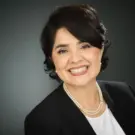
Kimberly C. Avila Edwards is an Associate Professor and Associate Chair of Advocacy for the Department of Pediatrics at Dell Medical School. A magna cum laude graduate of Harvard College, she completed her medical education at Harvard and her pediatric training at Texas Children’s/Baylor College of Medicine. In 2024, she earned her Masters of Science in Health Care Transformation from U.T. Austin’s McCombs School of Business.
Dr. Avila Edwards has practiced general pediatrics in a private multispecialty group, an academic clinic, and a mobile clinic for uninsured children. In 2010, she co-founded the Texas Center for the Prevention and Treatment of Childhood Obesity.
With over two decades of involvement in the American Academy of Pediatrics (AAP), Dr. Avila Edwards has served in various state and national roles. She chaired the Obesity and Legislative Committees of the Texas Pediatric Society (TPS), the state chapter of the AAP, and served as the youngest and only Hispanic President of TPS to date. National leadership positions in the AAP she has held include Texas Alternate Chapter Chair, Texas Chapter Chair, and Chapter Forum Management Committee member for District VII. She currently serves on the AAP Committee on Federal Government Affairs and on the Texas Medical Association Council on Legislation.
Placement: UT Chancellor Health
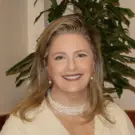
Erin Ferranti is an Associate Professor of Nursing at the Nell Hodgson Woodruff School of Nursing with additional appointments in the Department of Gynecology and Obstetrics, Emory School of Medicine and in the Nutrition and Health Sciences Program at Emory University. She is a Fellow of the American Academy of Nursing (AAN), the American Heart Association (AHA) and the Preventive Cardiovascular Nurses Association (PCNA). She is currently serving as the President of the Preventive Cardiovascular Nurses Association (PCNA).
Dr. Ferranti is a public health nurse scientist dedicated to prevention and health promotion science in addressing health inequities through three specific areas of emphasis: Factors contributing to cardiometabolic risk and nutrition patterns in women to reduce inequities in maternal morbidity and mortality, farmworker health and nutrition, and diabetes and hypertension prevention. Her NIH-funded and AHA-funded program of research is focused on testing interventions to mitigate cardiometabolic disease progression in disparate and at-risk perinatal and postnatal populations.
Placement: Department of Community Health

Bryant Shuey is an Assistant Professor of Medicine at the University of Pittsburgh and the University of Pittsburgh Medical Center, where he provides primary care, teaches medical students and residents, and serves as an attending physician for the inpatient medicine and addiction medicine services. As core faculty in Pitt’s Center for Research on Health Care and Center for Pharmaceutical Prescribing and Policy, his work focuses on improving access to care for people with substance use disorders.
Dr. Shuey is dedicated to advancing health and opportunity, working at the intersection of clinical care, research, and policy to improve substance use treatment quality and access. His research evaluates the effects of state, federal, and payer policies, examines emerging substance use trends, and generates evidence to guide future policy and clinical practice. He is principal investigator of a National Institute on Drug Abuse career development award examining cardiovascular health in patients with opioid use disorder. His work has appeared in JAMA and Health Affairs Scholar and featured in the New York Times, NPR, and ABC News.
Dr. Shuey is from Albuquerque, New Mexico, and earned his BS and MD from the University of New Mexico. He completed internal medicine residency training at the University of South Florida where he was a chief resident and received the Outstanding Resident of the Year award from the Florida Chapter of American College of Physicians. He was a fellow in the Health Policy and Insurance division of the Department of Population Medicine, a collaboration between Harvard Medical School and Harvard Pilgrim Health Care Institute. Dr. Shuey earned his MPH from the Harvard T.H. Chan School of Public Health.
Placement: Department of Health, Office of Drug Surveillance and Misuse Prevention

Kristina Wilson is an Associate Professor of Clinical Practice in Pediatric Sports Medicine and Medical Director of the Sports Medicine Center at Children’s Hospital Colorado. A board-certified pediatric sports medicine physician, Dr. Wilson has spent over 15 years advancing youth health and safety through clinical care, advocacy, and public health initiatives.
Dr. Wilson earned her medical degree and completed her pediatric residency before pursuing a sports medicine fellowship at Vanderbilt Medical Center. Recognizing the intersection of sports medicine and public health, she earned an MPH from the University of Arizona, informing her approach to addressing health disparities in youth physical activity. Her research focuses on swimming proficiency among children, examining barriers to access through a health equity lens. She is developing policy recommendations to promote early swimming education as a fitness and safety intervention.
Dr. Wilson has held numerous leadership roles, including Medical Director of Pediatric Sports Medicine at Phoenix Children’s Hospital, where she built a comprehensive program, and now leads the development of the sports medicine program at Children’s Hospital Colorado. In 2023, she was elected to the American Academy of Pediatrics (AAP) Council on Sports Medicine and Fitness, where she contributes to national policy development and advocacy.
Placement: Colorado General Assembly: Representative Kyle Brown

Dr. Kellie Snooks is an Assistant Professor in Pediatrics at the Medical College of Wisconsin. She provides clinical care to critically ill children as an attending physician in the Pediatric Intensive Care Unit at Children’s Wisconsin, Milwaukee, WI. At the Medical College of Wisconsin, Dr. Snooks serves as the course co-director for medical students in the Health Systems Management & Policy Scholarly Concentration.
Her academic interests are focused on violence and injury prevention in youth. She is the Principal Investigator of a community-engaged research project, MY VOiCE: Milwaukee Youth Voices: Open Conversations on the Gun Violence Epidemic. This project aims to amplify the youth voice in the firearm injury epidemic, with the goal of identifying programs and policies that the youth identify to be the most beneficial to mitigating violence in their communities. Dr. Snooks also is actively engaged in strategies to advance firearm injury prevention policies at the state and federal level. As a clinician who provides care to the most vulnerable children, Dr. Snooks aims to improve the health outcomes of all children through health policies that improve access to care and create safe and healthy environments allowing youth to thrive.
Dr. Snooks completed her B.S. at Radford University. She received her D.O. from Midwestern University Chicago College of Osteopathic Medicine and went on to complete her Pediatrics residency at Advocate Children’s Hospital-Oak Lawn, IL. She completed her Pediatric Critical Care Fellowship at the Medical College of Wisconsin and received her MPH from the Medical College of Wisconsin, focusing on the impact of COVID-19 and youth for her capstone project. She has received awards from the Medical College of Wisconsin for her excellence in medical student education and from the City of Milwaukee, Office of Community Wellness and Safety for her allyship in Gun Violence Prevention.
Placement: Wisconsin Department of Health Services
Fellows
Previous Fellows
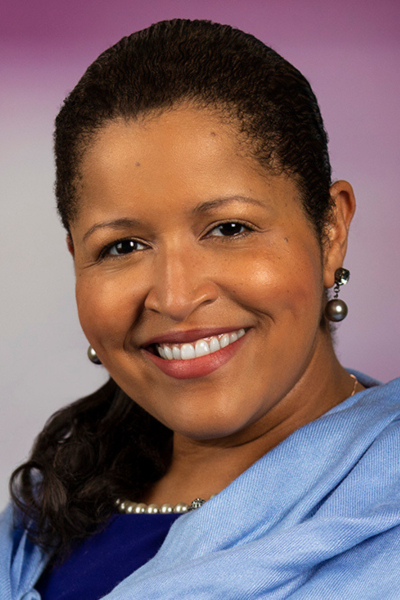
Dr. Brandi Kaye Freeman is a physician dedicated to eradicating the health inequities that impact vulnerable populations through evidence-based practices and improved quality of health care delivery. She is an Associate Professor of Pediatrics and the Vice Chair of Health Opportunities and Professional Engagement (HOPE) for the Department of Pediatrics as well as an Attending Physician at the Child Health Clinic at the Children’s Hospital of Colorado. In these roles, she is a practicing primary care physician and health services researcher whose research portfolio includes developing approaches to improve Diversity and Equity in the Healthcare and investigating best practices to help children thrive in early childhood. As a community leader and advocate, Dr. Freeman dedicates numerous hours to improving the health and wellbeing of minority communities. She is a National President Emeritus of the Student National Medical Association and has been a mentor for the Tour for Diversity in Medicine since its inception in 2012. Dr Freeman is the former Speaker of the House of Delegates of the National Medical Association and current Region VI Trustee.
Dr. Freeman received a Bachelor of Science degree in Biology with minors in Chemistry and French from Duke University in Durham, North Carolina. After completing post-baccalaureate work at the Mayo Clinic, she received her Doctor of Medicine from Baylor College of Medicine in Houston, TX. Dr. Freeman completed pediatric residency training at the Johns Hopkins Hospital and Children’s Center as part of the Harriet Lane Housestaff. She was a Robert Wood Johnson Clinical Scholar at the University of Pennsylvania and received her Master of Science in Health Policy Research from the Perelman School of Medicine.
Dr. Freeman strives to be an effective leader of the highest caliber. She is a graduate of The Links, Inc Scott Hawkins Leadership Institute, the AAP Women Equity Leadership (WEL) program and the Children’s Hospital Colorado Provider Leadership Development Program. Dr. Freeman is a graduate of the AAMC Healthcare Executive Diversity and Inclusion Certificate (HEDIC) program. She has received multiple awards including the AMA Inspiration Award from the Women’s Health Section and has been recognized as both as a NMA Post Graduate Top Physician Under 40 and NMQF 40 Under 40 Leader in Minority Health. In 2024, she was selected to be one of the inaugural fellows for the National Academy of Medicine’s pilot State Health Policy Fellowship Program.
Placement: Office of the Attorney General, Colorado Department of Law
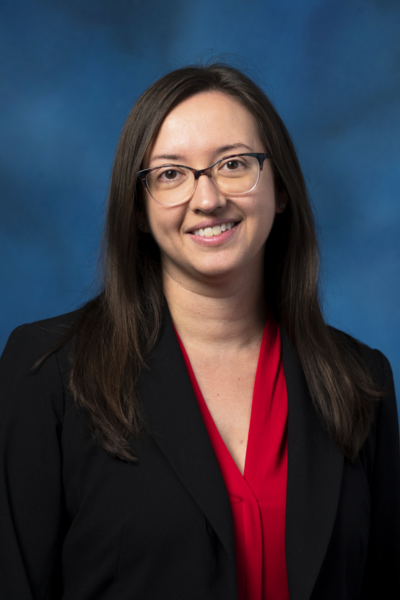
Meredith Hughes is an Assistant Professor in the Department of Health Policy and Management at the University of Pittsburgh School of Public Health. She received both her law degree and Master of Public Health from the University of Pittsburgh. Her research focuses on Medicaid, innovative approaches to aging in place, the intersection of housing and health, family caregiving, and long-term care.
Meredith’s background in health policy and regulation makes her an excellent fit for the NAM State Health Policy Fellowship. She worked in Washington, DC as a Policy Analyst at the Bipartisan Policy Center (BPC), where she co-authored a series of reports on health care spending growth and cost containment and helped advise the BPC Governors’ Council on Medicaid policy issues. As a JD/MPH student, she served as a regulatory consultant in the Pennsylvania Department of Human Services, working on Medicaid payment policy, regulatory reform and benefit design. She spent four years at Sellers Dorsey, a leading state Medicaid consultancy, where she focused on the implementation and ongoing operations of Pennsylvania’s Medicaid Managed Long-Term Services and Supports (MLTSS) program.
Meredith’s fellowship placement is with the Pennsylvania Department of Aging, Senate Aging & Youth Committee and House Aging and Older Adult Services Committee. Her fellowship experience will center on Pennsylvania’s new 10-year master plan for aging, Aging Our Way, PA.
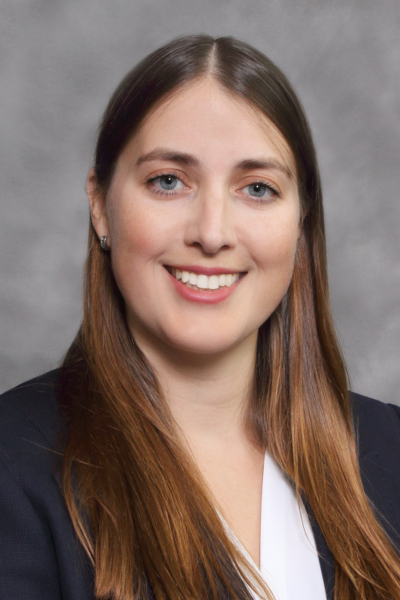
Rachel Bernard completed her medical education and Internal Medicine training at the University of Illinois at Chicago, where she was a Chief Resident in ambulatory medicine. In 2020, she joined the Chicago Department of Public Health as a medical director in the COVID Response Bureau. In this role, she managed a COVID-19 outbreak response team for high-risk residential facilities, worked at the Chicago Vaccine Operations Center on the COVID-19 vaccine campaign, and facilitated at-home vaccinations for Chicago’s most vulnerable residents.
She is currently an Assistant Professor in the Department of Medicine at the Medical College of Wisconsin in Milwaukee, Wisconsin. In this role, she co-directs the Endocrinology-Reproduction course for medical students and provides primary care services for Milwaukee-area residents. She has special clinical interests in reproductive health and substance use treatment. In 2024, she completed the Leadership in Health Policy program with the Society of General Internal Medicine (SGIM), and she is active on health policy committees for SGIM and the Wisconsin chapter of the American College of Physicians (ACP).
Placement: WI State Health Officer and WI Medicaid Director
Description
Fellows will spend one year, part-time, embedded in local/county government, state legislative branches (such as office of a state legislator, legislative committee staff, or a state commission), or the executive branch (such as the office of the Governor, State Secretary of Health/State Health Officer, State Medicaid Director, senior health gubernatorial appointments, or other senior state health officials) contributing to the development and implementation of state health policies and programs. Fellows will learn to participate in state policy and political processes, and obtain the skills and knowledge necessary to influence policy throughout their careers. Fellows will share learnings across state contexts throughout the fellowship year and form a cohort to foster continued growth and support for program alumni.
For its first year of the pilot program, the NAM partnered with organizations in Colorado, Pennsylvania, and Wisconsin to administer the fellowship: the University of Colorado Eugene S. Farley, Jr. Health Policy Center; the University of Pittsburgh Health Policy Institute; and the Advancing a Healthier Wisconsin Endowment at the Medical College of Wisconsin. Each organization provided funding to support the fellowship with additional support provided by the National Academy for State Health Policy (NASHP) and the University of Texas System.
Currently in its second year of the pilot program, the NAM has added two additional partner states. The program is partnering with organizations in Colorado, Georgia, Pennsylvania, Texas, and Wisconsin: University of Colorado Eugene S. Farley, Jr. Health Policy Center; Woodruff Health Services Center; University of Pittsburgh, Health Policy Institute; the University of Texas System; and the Advancing Healthier Wisconsin Endowment at the Medical College of Wisconsin.
This program is in its pilot phase and is open to additional states interested in participating. Each state partner is funding this effort, and we welcome inquiries and interest to expand the program.
Educational Content Included:
- 1-week orientation and introduction to health policy program hosted by the NAM in Washington, DC
- Regular virtual learning sessions with fellowship cohort
- Cohort visits to each participating state capitol
- Visits to each fellow’s home state U.S. Congressional Delegation
More Information
Eligibility & Selection Process
Eligibility
- Exceptional early- and mid-career health professionals with a deep interest in state health policy.
- Fellows must be from an academic institution, state/local government, or eligible not-for-profit organizations willing to sponsor them during the fellowship period.
- Applicants must have earned an advanced degree in one of the following disciplines: medicine; nursing; public health; allied health professions; biomedical sciences; dentistry; economics or other social sciences; health services organization and administration; social and behavioral health; or health law.
- Applicants whose official job description or responsibilities are primarily government relations or advocacy are not eligible for this fellowship.
- Selected fellow will be required to disclose all potential conflicts of interest. Some placements may not be possible due to unreconcilable conflicts and fellows must agree to refrain from any/all advocacy roles during the fellowship period.
- Applicants must be U.S. Citizens or permanent residents at the time of application.
Nomination and Selection
For the pilot phase of this program, each participating state is managing the application/nomination and selection process. Please contact the Program Administration for information on how to be considered for this program.
Timeline
Fellowships will be awarded every year.
September 2025
State Health Policy Fellowship Orientation (Washington, DC)
October 2025
Scholars’ Introduction to the Membership at the NAM Annual Meeting
December 2025
State Visit #1
January 2026
State Visit #2
March 2026
State Visit #3
April 2026
Emerging Leaders in Health and Medicine Forum
May 2026
State Visit #4
Program Administration
Inquiries about the State Health Policy Fellowship should be directed to:
Gregg S. Margolis, PhD
Director
Health Policy Fellowships and Leadership Programs
National Academy of Medicine
500 Fifth Street, NW
Washington, DC 20001
Phone: (202) 334-1506
Email: [email protected]
